Author Archives: Kathryn Morrison

Unknown's avatar

About Kathryn Morrison

I was born and raised on a farm just a few miles from where I am now. This is a full circle, having lived in Alberta, Northwest Territories and British Columbia, for forty plus years. My husband Alex/Sandy left for the non physical world nearly one year ago. I want to blog about him, our time together, what we learned from each other, and some amazing episodes from our early years in the North. Also, I have been known to have lots of opinions that may seep out into my stories. Thanks for joining me.

Winter on My Family Farm

 I  recall my wintry farm experiences  at Lot 33, Concession 5, Markham Township, York County, Ontario. Now, sixty  plus years later it is called Warden Ave. which used to be a street in Toronto.    (keep the city in the city why not?)
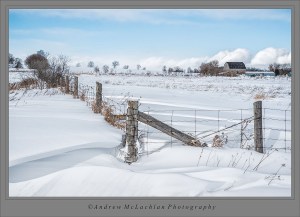
farmland-in-winter_6934

  It was a chilly walk through the dark from the old brick house , passing the milk house and  as  I opened  the heavy wooden door into the barn,  a blast of steamy warm air greeted me.  Not sure how to describe the smells, fresh hay that had been pushed through the hole from the mows above,  the slightly sour smell of corn silage in the cows’ mangers were there.  Throw in  a whiff of  fresh manure, warm milk being poured from the
Surge milker into stainless steel pails,  and you have  the main components.  The milking machine was chugging  away, the  20 plus cattle were munching their dinners, the barn cats were waiting for warm milk to be splashed into their dish, and their pleading meows added to the familiar and comforting ambience.

In my blog recalling  the fall season, I mentioned all the root vegetables, and now that they were safely  stored,  it was the time  to prepare and market the crops we grew.  My father, every Thursday, loaded the two ton truck and headed out to supply his customers  with his particular produce. These customers, were Italian and Greek grocers, Chinese restaurants and those who wanted live chickens that could be killed in the kosher traditions. I remember looking at a sack of several chickens, pitying them,  being put into the back of the truck, along with the sacks of waxed rutabagas, (turnips) cases of graded eggs, New York dressed chickens, potatoes, and likely red beets as well.

Wednesday was chicken killing day and I  was on the  chicken plucking staff. Not a fun thing to do, but we never really thought about things being “not to our liking” . It was just something that needed to be done.  Someone had made a turnip washer, that tumbled them and dumped them onto a drying rack.  They were then hand dipped in melted paraffin  wax.. After the wax  was set up they were bagged in 50 lb sacks.

These activities were all carried out in the big hipped roof barn, and the cows created the heat for the entire lower level.  No carbon footprint there.  Upstairs under the hay mow were pens for up to 1,000 laying hens which also created their own heat,, but on a sunny winter afternoon, they got the southern exposure and they would strut around in their wood shavings  doing their extraordinarily  triumphant  cackling , after having laid their daily egg.  (before cages)  It has also been recorded that when a very little girl, they  would find me  trying  to  feed the  kittens,  with a mucilage bottle filled with milk.

Supper was often soup and cheese, or home fried potatoes, cold beef, leftovers from the noon meal, which was called dinner.  There was no TV, or radio, but the men would go out to bed down the cows with fresh straw for their long night ahead, sleeping in their stanchions, where they had stood all day. Sometimes, I would sit at the long kitchen-dining table to practice my handwriting with my brother Ken.   Exciting eh?  I really wonder if we dropped some children  from today into that scene, what they would do.??

When I was a teenager sometimes , we would get the word that someone’s pasture had flooded and was now frozen and ready to accept skaters.  Off we went.  Cars were positioned to provide some  light. To sail on your skates in the dark cold night, was invigorating to say the least. Now when  that good looking fellow who skates so well, asked me to skate it was that much  better.!!

 During the winter months  the ladies, were  piecing quilts, hooking rugs,  sewing for “relief”  for post war poverty in Europe.   A common thing to see my Mom do was sitting with a large pan of apples that had been stored in our cold cellar.  As she peeled them I was fascinated that she could peel a whole apple and have only one long curly peel left, now I do it without thinking.  We ate stewed apples nearly every meal it seemed with a  good rustic bran muffin, and a splash of maple syrup, or a whole little bowl of syrup for my Dad.  Mom also cleaned  and candled eggs  to prepare for sale.  Always busy it seemed..

I love how the farm provided a sense of belonging, to even the youngest child.   Gathering eggs, carrying wood for the stoves  were  job s for a young child, and learning to clean the eggs,(which I am afraid I grumbled about.)  It has been said that good self-esteem comes with  tasks well done and more importantly that a child feels he is contributing to the family unit. A sense of purpose  and being a part of the whole.

I do not want to live in the past, but I share these thoughts because there is a lot to learn from these experiences.
SPRING ON MY FAMILY FARM

ScannedImage
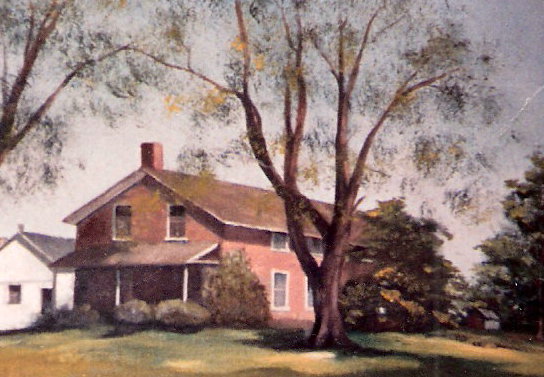
Our farm house painted by Evelyn Burkholder
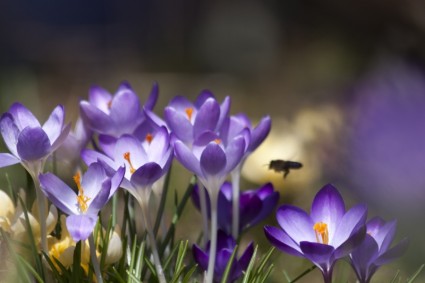
crocus_schwertliliengewaechs_spring_crocus_215940.jpg

The spruce hedge was planted by my father to provide wind break for the large, brick home built in the mid 1800’s by my mother’s ancestors. In my early memory, it seemed to provide a natural boundary for my roaming.  Between the house and the spruce trees, to the west, was a large garden, a long row of perennial flowers, a grape vine and a generous apple orchard.  The hip roofed, weathered barn with the silo and milk house formed a southern boundary for my world. The garage where Dad parked his Monarch car,( with keys in the ignition always) was attached to the small work shop, that housed  my brother Cecil’s welding machine and cutting torches. It had southern exposure windows and a wood burning barrel, making it a pleasant destination on a cold day. The implement shed that  housed the three Case tractors , along with some harrows and ploughs, was not far away. . Beyond this were the pastures and crops, a total of 100 acres in all.

As I grew older, exploring beyond the spruce hedge and walking along the fence rows was a near magical experience. Trees, brush, long grass , rocks, and rail fences of cedar,provided home for small animals. I recall seeing groundhogs peaking out of their burrows, as I passed.  Early spring was memorable, because toward the back of the 100 acres, was the flat land that turned wet with the melting snow, forming a creek. It created wondrous fun, following its trickling and meandering path across the fields, ignoring property lines, as we dammed up here and released there.

Another sign of spring was  walking up the long lane, walking home from school and seeing the long, pulley clothesline full of wool blankets and comforters having their yearly “March wind “ treatment,. They got whipped with that cool damp wind, removing anything that should not be there.

Early spring was also the time for butchering enough pigs for our own meat. . There was an air of excitement on that day. It was probably early March, with traces of snow still on the ground, and a cold nip in the air mingling with the smoke from the maple fires. The largest one was under a cast iron pot, to render down the fat for the years supply of lard. An area was cleared in the woodshed to make a butchers table for cutting up hams and bacon for curing and smoking. Also, the meat for sausage was ground up. I recall watching my Dad expertly winding the intestines around his left hand as he carefully scraped them, and dropped them into pails of water. The sausage meat was expertly seasoned and stuffed into the casings. It seems to me the meal that first day was always, back bone, or loin I suppose. To this day, I cannot recall having any sweeter or more delicious meat than that fresh pork. My Mom and my big sisters coiled those sausages into sealers and “canned’ them. The hams and shoulders were put into large oak barrels, for a certain curing time before they were hung in the smoke house,. It is still difficult for me to enjoy any other ham, having the memory of that dry, smoky version.  Still today,  wood smoke will evoke strong memories of my childhood.

About this time of spring the sap would start to run and it was decided we would go out to our friends, the Bakers, to watch the sap boiling operations.  That historical maple bush is still there, today, but surrounded by high- rise apartments and acres of housing.I still remember the sparks from the wood fires, and of course that wonderful smell of smoke mixed with the sweet steam of the evaporating sap filling  our lungs.  There would usually still be some snow underfoot.  Cool nights and sunny days with the temperature just a bit above freezing  was required for sap to run.

Another exciting day in spring was when, having trudged the one mile and a quarter, up the gravel road, to find that the summer kitchen had been cleaned up and prepared to cook and eat in for the summer months, which was meant to keep the rest of the house cooler.  ( I  know, I know it sounds like a total luxury to have an alternate kitchen ). I remember the scrubbed wood floor, the long pine table ready to set for supper, all the window glass was sparkling and a wood fire was crackling in the range. It seems to me there would be dandelion greens added to our meal at this time and a little later, fresh asparagus.  The scene can be completed in my memories right now with a robin singing outside the west window. The air was damp and you could feel and smell the growing going on around us.   A batch of newly hatched chicks were growing in the brooder house. Grass was greening, dandelions were peeking just to name a few things.. MAGIC, REAL MAGIC! As soon as the pasture was ready, the cows were allowed out to roam and graze, after having been cooped up in their stanchions all winter, surviving well on hay, ground grain, turnips from the root cellar. Soon as the land was dry enough, the crops would be seeded and I remember Dad at the end of our long table announcing, “the oats are up”.

  I want my idyllic farm life to be on record, for my grandchildren.  It will no doubt, be focused on the crops and foods we grew and ate.  My daughter Janine, says it should be recorded because so many young children barely know where food comes from.

MARION’S MEMORABLE MEMORIAL

My eldest sister Marion left us this past year. She celebrated her 90th birthday here, in Stouffville, last September.  At that time she was still driving her own van into town in Indiana where she has lived since she married Norman Wenger in 1952.

She had a weekly game night that she enjoyed with her friends, and helped her daughter with the bed and breakfast they operated in the beautiful farmland  one hundred miles south of Chicago.  She was  a lively lady with a great sense of humour. However, her heart began giving her trouble and she went for what was to be a “little” surgery, but things didn’t go as expected and by last June she slipped away, so well cared for and loved by her daughters, daughter in laws and grand daughters , sons and grandsons.   A LIFE WELL  LIVED!

I travelled to Indiana to the funeral, and I hereby pay tribute not only to my sister but to the rural church community that welcomed her so many years ago.  We were astounded by the number  of people who came to the visitations spotting us, her four sisters, who they thought looked like their beloved Marion. When I was a teenager, I would make extended visits to Marion, Norman and their family, and I got to meet some of the church young people.  In fact I celebrated my 16th Birthday with a group of Indiana girls.

 Now, we arrived at the Yellow Creek Frame Mennonite meeting house on this lovely June morning. We assembled inside, with Marion’s children, some of whom have grandchildren themselves.  The building was packed and we went to the front where we sat in silence. The floors were old restored  wood, with white walls, and sunlight was streaming   through sparkling clear, square window panes. Green leaves fluttered outside.  The closed casket was just a few feet away and behind that were the five ministers who share the caring of the believers. (no paid clergy here). Momentarily, one of the men, announced that we would open with a hymn and  a lone voice from the congregation started and instantly hundreds of voices in wondrous four part harmony, swelled, and soared  to fill that building,  Jesus Thy Boundless Love to Me. I tear up now as I type this.

The first speaker, unannounced and with  no introduction, arose and with a gracious presence spoke of Marion as Grandma, ( he is married to one of her grand daughters). He shared meaningful scriptures, but most importantly, spoke of how Marion would always ask about their lives. He suggested that she would be a little embarrassed about this large gathering for her.. He spoke of her humour. We then sang the very poetic hymn, On Jordon’s Stormy Banks I Stand ( and cast a wistful eye to Cannan’s fair and happy land, where my possessions lie.)

The second speaker, had been Marion’s only request for this occasion and I could soon see why. Again, I don’t know his name, but he exuded love and true humility. He alluded to the fact that he was a new minister and Marion was a person who  encouraged others,  including himself.  A senior minister, also shared of his experiences with Marion and then read the obituary and a most moving letter from Marion’s many, many  grandchildren .

We filed out again into sunshine and a lovely view of rolling farmland, where the burial ground was. After she was lowered into the ground, the young men, who seemed exceptionally handsome, to me, started shovelling, eventually handing their shovels to their Dads ,uncles, aunts, and   girl cousins.

I  have called it memorable , because it has been a LONG  time since I have attended a funeral that was so beautiful in it’s simplicity. It contained elements that these folks, who for generations now, have continued with the  spiritual traditions, of a brotherhood, with deliberate lack of emphasis on clergy. In agreement, or not,my feeling is,  they have at least attempted to prevent the powerful or charming taking  power, as Jesus warned  in Matthew 23.

WE MISS YOU MARION!            Marion Pauline Reesor Wenger  1925-2016

january-3-171

REMEMBERING MY FAMILY FARM IN FALL

download

In late November 2002, Alex and I drove from Edmonton, across country to Cleveland Ohio to participate  in Fabtec, a very large convention for steel fabricators.

There was literally hundreds of miles of flat farmland that rolled by my window as Alex kept his foot on the accelerator. It was  November, so there were  no lush crops growing or even acres and acres of golden wheat or barley swaying  in the sunshine, which I find beautiful.  Instead, there was miles and miles of rather bleak landscape, tilled land with a dusting of snow, like icing sugar from above. Instead of it being a little depressing, as it may have been for some travellers,  it surprised  me to find a peaceful feeling surrounding me as we travelled ever farther east.  Where did the peace come from?   It has  become clear to me.

Summer on the mixed farm were I grew up in Southern Ontario, was a very productive time, crops to cultivate and   weed, hay to gather before the rain came.  Grains to be threshed or combined, more recently.  Never  rushed or out of control  and never did we delay or postpone our three meals a day. The days had a rhythm that brought a sense of  ALL IS WELL.    Every day except Thursday noon , my Father sat at the head of the table and we all filed into our own spaces. five boys and five girls.My father went once a week with his 2ton truck with a load of produce, plus eggs and New York dressed chickens, even some poor hens in gunny sacks for his Jewish customers,  selling  to  Greek, Chinese and Italian grocers along The Danforth and Queen  St. in “the city”  (Toronto) .Back to the large family, it dwindled as the years went on and  I, being the youngest was left with my Dad, brother Ken and an UK hired hand.

As autumn, or fall as we called it, arrived, the program changed from growing , into harvest and store.  The days were cooler, sometimes we needed to rescue garden things from impending frosts.  Rutabagas, were  to be dug and hauled into the large root cellar, potatoes also.  Apples ripened, ready  to be picked and stashed,  for the whole winter.Cabbages and pumpkins stored well, as did beets.  Everything we needed to eat WELL all winter was day by day hauled in before the cold arrived.

I tell my grandchildren, our grocery lists were nearly non-existent. Mr.Johnson, grocer from  Gormley  would call to ask Mom what she needed to have delivered this week.  She didn’t want to disappoint him, so she would order something like Old Dutch Cleanser (remember that) or Bon Ami to polish windows, and sometimes Kelloggs Corn Flakes, the  Sunday  morning breakfast.  In my day, after they stopped making their own vinegar, I remember him bringing his vinegar and it “glug glug glugged” into Mom’s jug.  By the way, I don’t remember any garbage either.  After the dog licked the butter wrappers they were thrown into the wood stove.  Tin cans were pretty well unheard of.  Flour and sugar were bought in bulk, honey in 40 lb pails, apple butter in very large crocks. These items were stored upstairs  in the “dungle kemmerly” some kind of German for dark closet. Talk about a “green” lifestyle.

The leaves changed to their spectacular colours and drifted to the ground  The black walnuts fell  with a thud from the trees. We kids gathered chestnuts on the way home from school, and there were mounds of coloured leaves to rake and jump into.
.,The loose  hay was piled under the hip roof of the  barn, for the hay burning cows in their stanchions on the lowest level. The  laying hens , up to 1,000, and the full  grain  bins  were on the middle floor. The silo was filled with corn silage for the cows, as well as the  crib was  full of dried corn.There was plenty of golden straw for daily, fresh bedding for the animals.
The   cellar of our large brick house  stored  potatoes, to eat and sell. There were  apples for the winter plus all the preserved fruits and in more recent times a monster freezer full of veg and meat.
WHAT SATISFACTION TO SEE THE YEARS PRODUCTION” SAFELY GATHERED IN ERE THE WINTERS STORMS BEGIN”

There you have it,  those bare bleak fields in the Canadian and American plains brought back that remarkable feeling of ALL IS WELL .  The animals as well as the humans can make it through another winter, and yes perhaps there  will be time for a little leisure.

(I  can’t remember much  leisure  though !!  We were of German descent we couldn’t help it.)

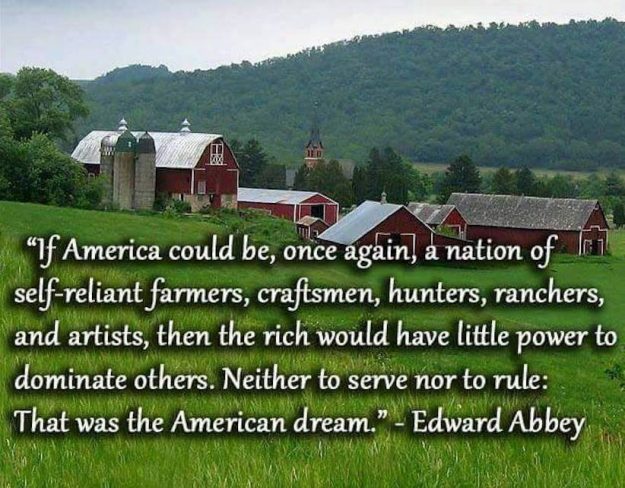
The picture below, I would of course insert Canada into this.   I love  the concept of “NEITHER TO SERVE NOR TO RULE”   Wouldn’t that be a beautiful world?

NEITHER TO SERVE OR RULE

NEITHER TO SERVE OR RULE

MAY 13, 1982 BABY BOY READY FOR PICK UP IN CANADIAN ARCTIC

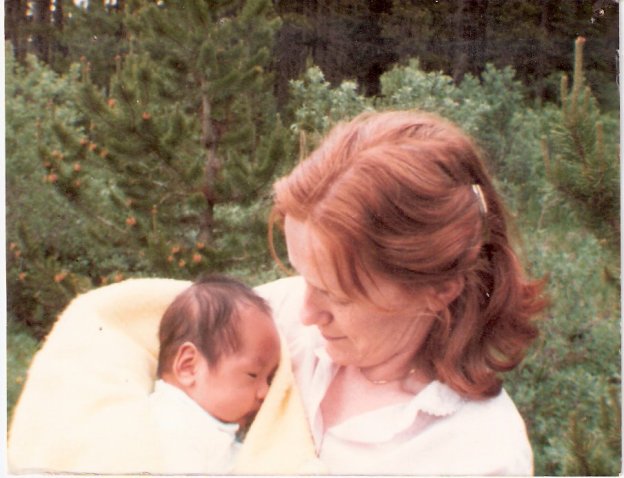
It was a beautiful morning, May 13, 1982, to be exact, when the call came through.  Baby boy Angualik was born  at the nursing station in Cambridge Bay NWT (now Nunavit).!” “Come as soon as you can”, they said.

Why are they calling us ?  Because, arrangements had been made for him to be adopted by us.  Alberta social services had done their home study, my bag was packed and ready to go.

So, early the next morning, armed with the proper documents, some baby clothes and blankets, Alex took me to the Edmonton Airport.  It was very exciting and a little daunting, to fly that great distance into the northern wilderness to pick up a baby boy.  In the Yellowknife airport I kept my eyes open to see if I could recognize anyone.

It was time to board the plane to Cambridge Bay and I saw our flight attendant in her northern parka, and the pilot in coveralls loading  supplies into the D-C 3, yes, a  world War Two plane which is now 80 years old, and many are still flying. It shuddered and shook for take off and the northern landscape of muskeg, scrub trees sank beneath us. Now to cover the 852 Km . to Cambridge,

Next stop was Cambridge Bay, a place I had never been, but these little hamlets look similar, just shocking to see civilization after the vastness of the Arctic.Our friend, Janet McGrath was at the airstrip to meet me.  She spent her childhood in the Arctic communities . Her father had been working for the government and Janet learned the Inuktitut language We had previously agreed that she  would  take me to the home of baby Timothy’s grandmother.  I was so grateful for this, otherwise I would have felt like I was  snatching him away.

We walked to her house. I am sure there was still snow on the ground, in mid May, however, it was mild and sunny.  With the advent of home heating oil, in those communities, their houses were very, very warm. They hadn’t perfected the “room temperature”concept.  To make it more complex, women traditionally  kept their babies on their backs in their parkas, so I saw ladies sweating inside their homes  with the heat so high, adorable babies peeking over their shoulder.

Janet introduced me to Grandmother, whom she said is the one who is in charge of children’s welfare.  Her house was very neat and clean, and her grandson is also very tidy. I asked her how she felt about me taking this baby away from the community, which I knew was unusual.  Many babies were raised by grandmas and aunties, but in the same hamlet.

She began to apologize because she had raised, I think she said 10 children, plus some grandchildren too,  and  felt she couldn’t take on another, . She said maybe this was a baby with a special mission.   I couldn’t disagree with her.  Every child we raise has  a special mission, and that usually is to change us a little or a lot. After this very positive visit, we made our way to the nursing station. There we met baby’s Mom, who for whatever complicated reasons,  felt unable to raise this precious boy, handed him to me, with a tear in her eye. I am sure it was a difficult moment for her.

Now to get back to the airport to catch that old warhorse of an airplane back to Yellowknife.  The thing about these planes, Alex had also experienced them often, they were either very cold or very hot. Probably, to do with what part of the plane you sat in. Back in the eighties, smoking was still allowed in planes, I have to confess, that might have been the longest plane ride I ever had (mentally anyway).  In the heat and smoke,  there I sat with a tiny boy that was less than two days old.  But of course he slept and I just stared into his sweet face, trying to prepare myself for what was ahead.  There wasn’t a thing I could do about the heat or smoke or how looooong it was taking. Head winds were extreme, and the flight that was relatively on schedule that morning was now seemingly going on forever.

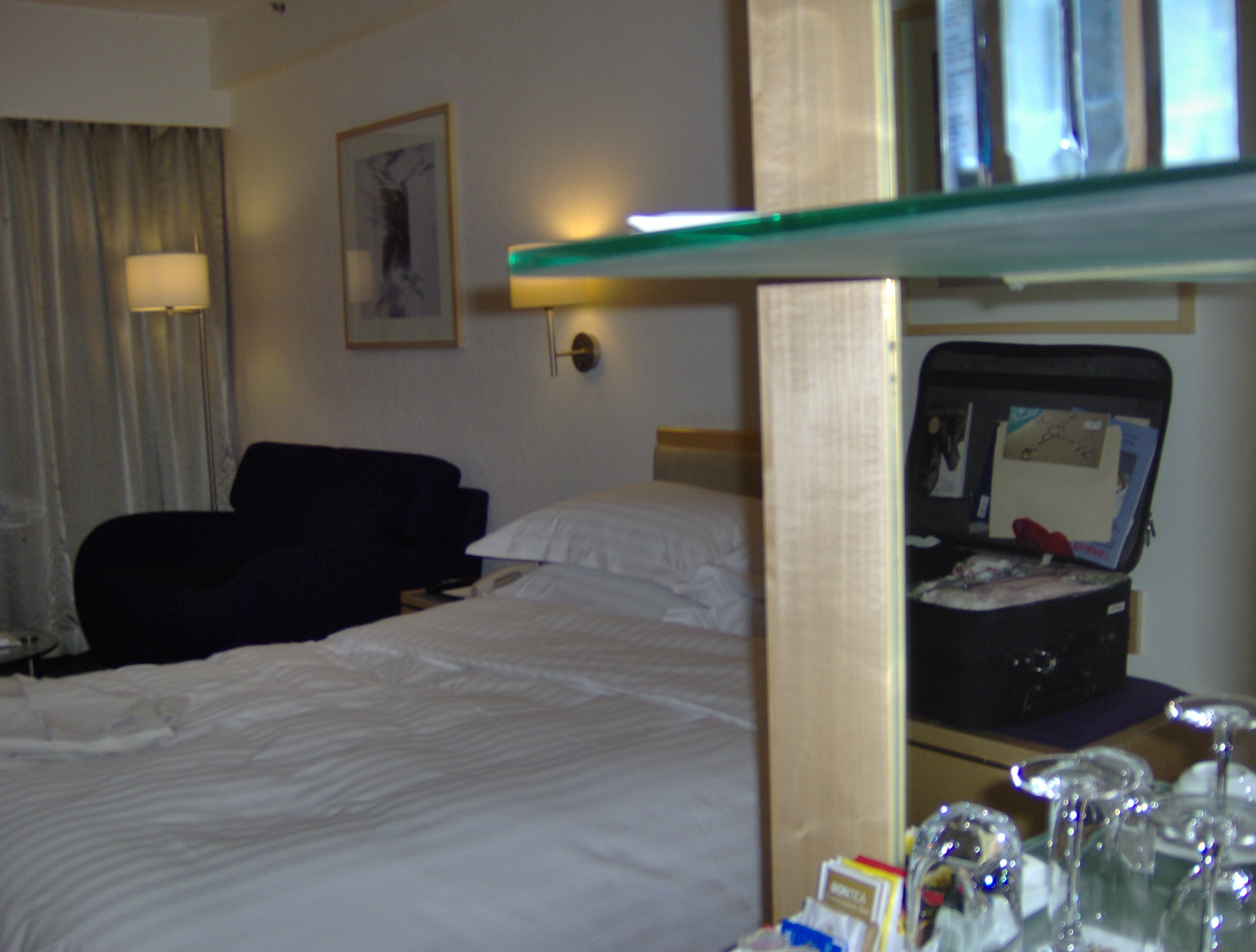
Eventually, after dark, we made it to the Yellowknife airport and I took a taxi, to the Explorer Hotel.  I settled in for the night, making a little “bed” for baby boy on my bed.  I came prepared with baby formula in a can, but failed to bring along a opener. So at 2 am, I called the front desk to see if they had a opener. The young man  said

“the kitchen is locked, I could bring my knife up”. That sounded a little “off”, but I agreed. .Up he came and delivered  a very “sterile” jab into the can.

Next morning back to the airport and the 1000 miles back to Edmonton, where big brother and two sisters and Dad awaited with bated breath.

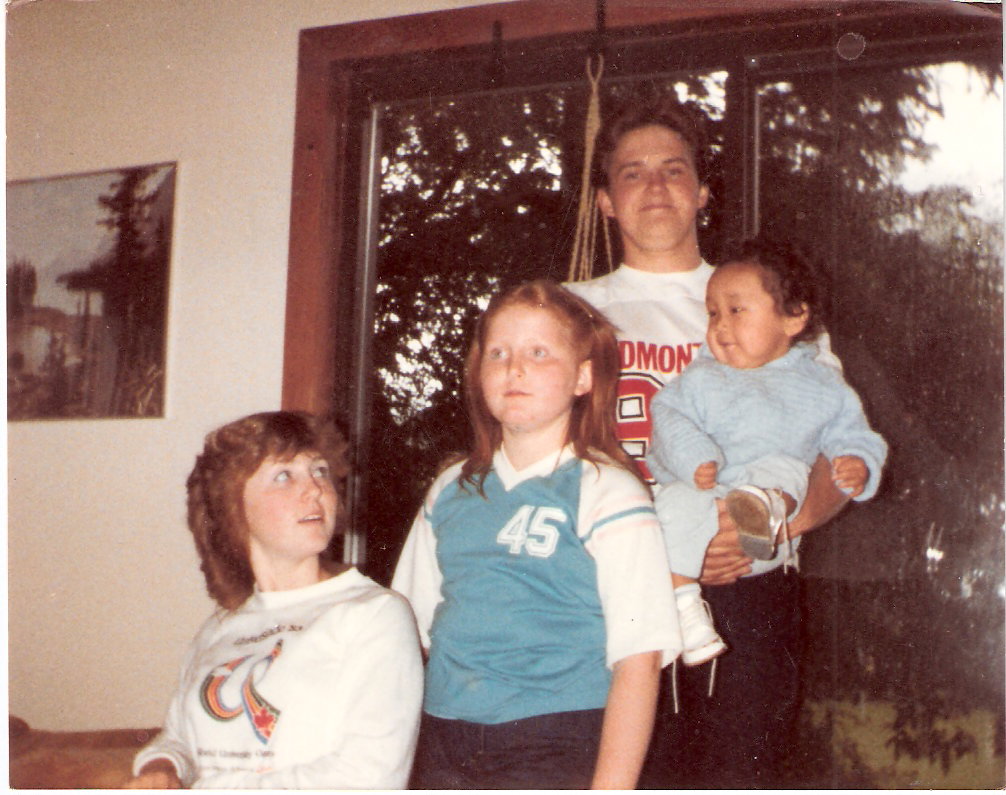
What a joy he was to look after, with so much help, always someone to hold and entertain Timothy Ian Morrison.

This is a very short version of how Timmy became part of our lives.

There could be much more written, about how much pleasure YOU  HAVE BROUGHT INTO OUR LIVES,  HAPPY BIRTHDAY TIM, WE LOVE YOU.!

ScannedImage-11

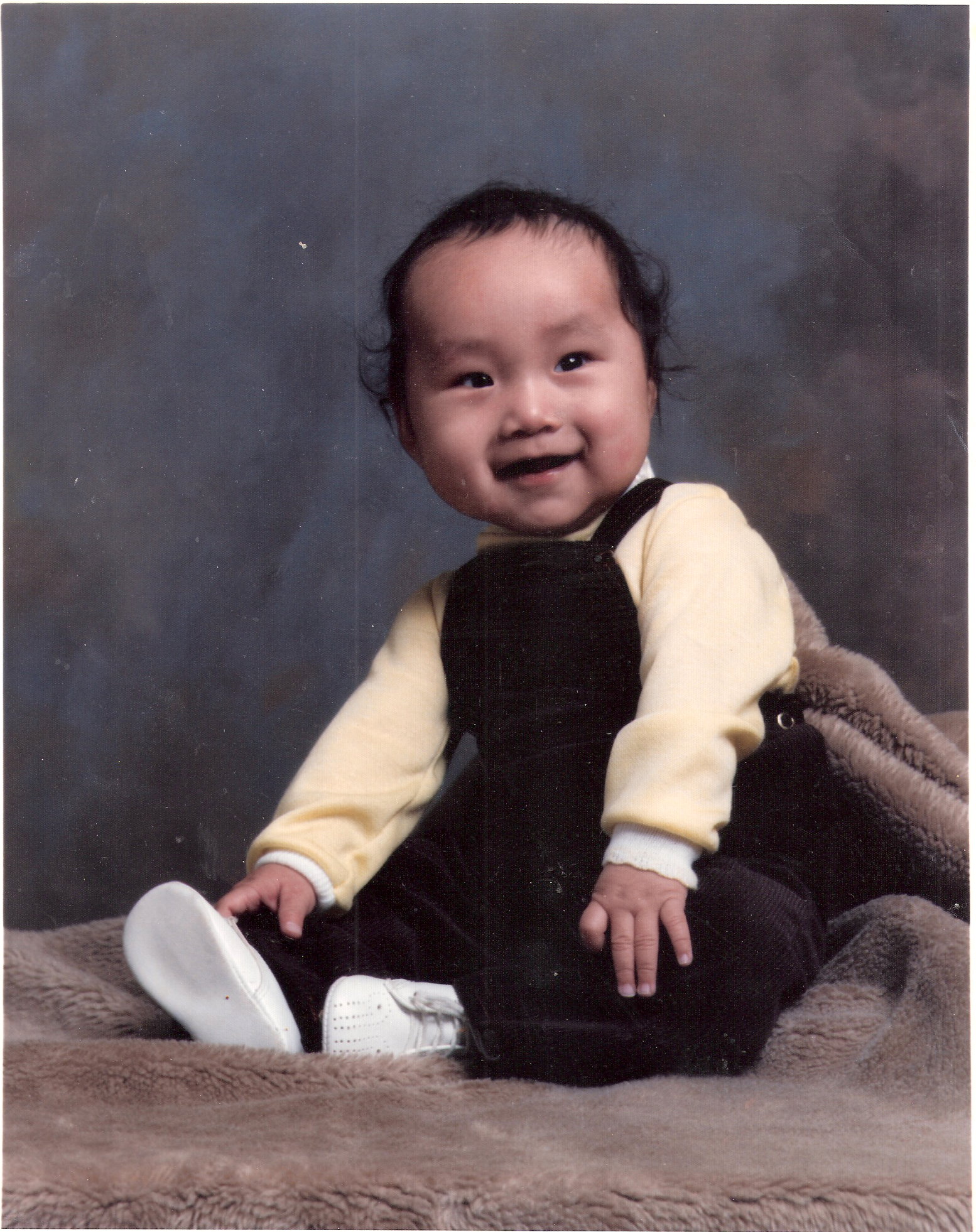
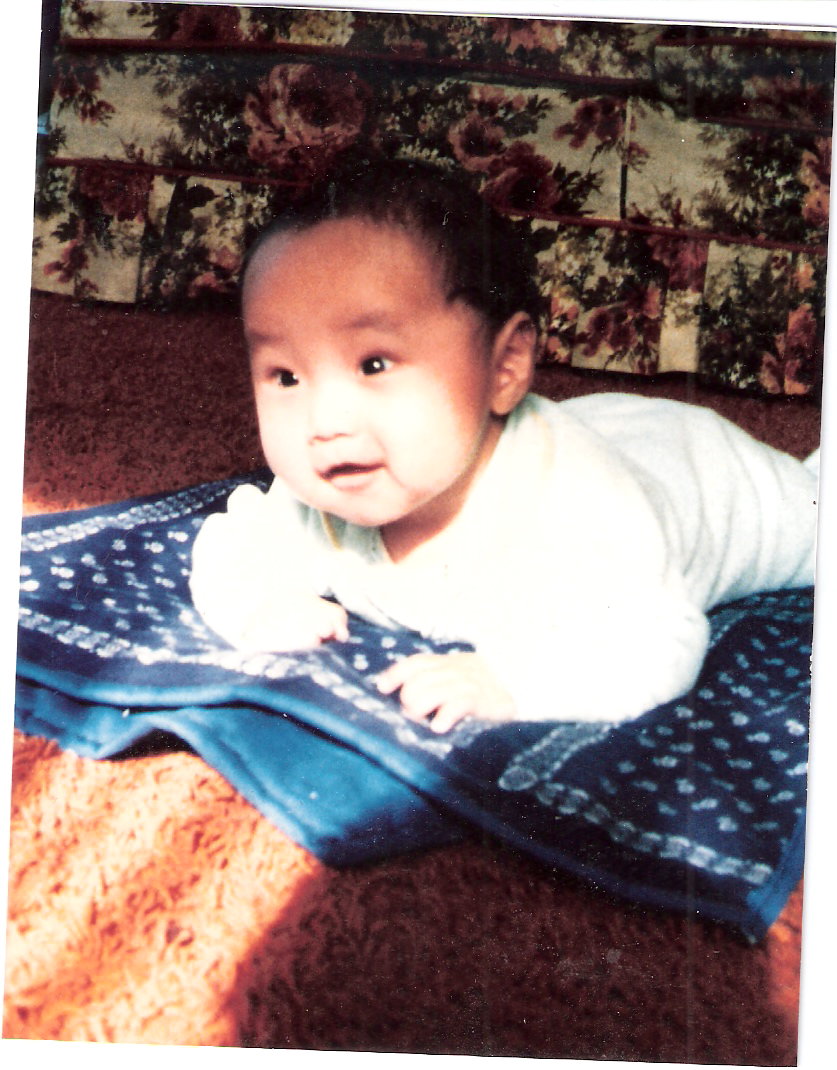
Happy handsome boy

Happy handsome boy

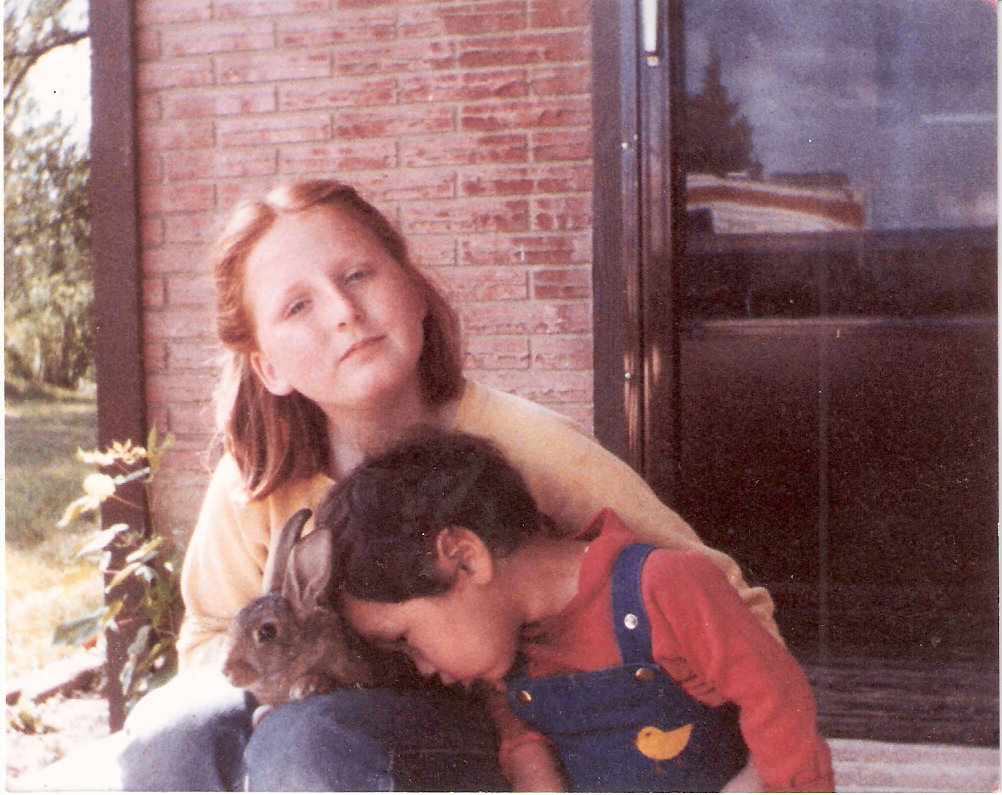
Big sister Janine and the

Big sister Janine and the “rabbiy”

ScannedImage-2ScannedImage-4

OUR TRIP TO THE PHILIPPINES IN APRIL 2007

I have been meaning to share this experience with my little band of readers and because this past week was the eighth anniversary of my son Jonathan and his wife Joy’s nuptials in the Philppines ,this seems like a good time.  It honors their committment and also it is the last trip Alex and I made together. There were  a few folks who thought it was too much for Alex, or maybe too much for me.  I am thankful we made the effort, the more of this world I can see the better, the best part  being all the wonderful people we met.

I never expected to get to Hong Kong and contrary to the title of an earlier blog  named “ The Joy of not Planning”  this was a time to plan carefully. After weeks of planning, booking hotels and connecting flights, printing hard copies of flight confirmations, with the hope, they would be honored when we arrived  on the other side of the world, we zipped our bags and Tim put them in the van for us.

The flight took us north over Alaska and Russia with  dazzling sunshine and endless mountain ranges. Were we fleeing the night or flying into sunshine?  Alex seemed to be energized while he read Measure of a Man by
Sidney Poitier.

We arrived in Hong Kong and what a large well run airport. With his cane, Alex managed the long line up for customs and finally we made our way to catch our shuttle bus to the Holiday Inn Express.  ( I took no chances on a bargain place to stay). We fell into a deep sleep.

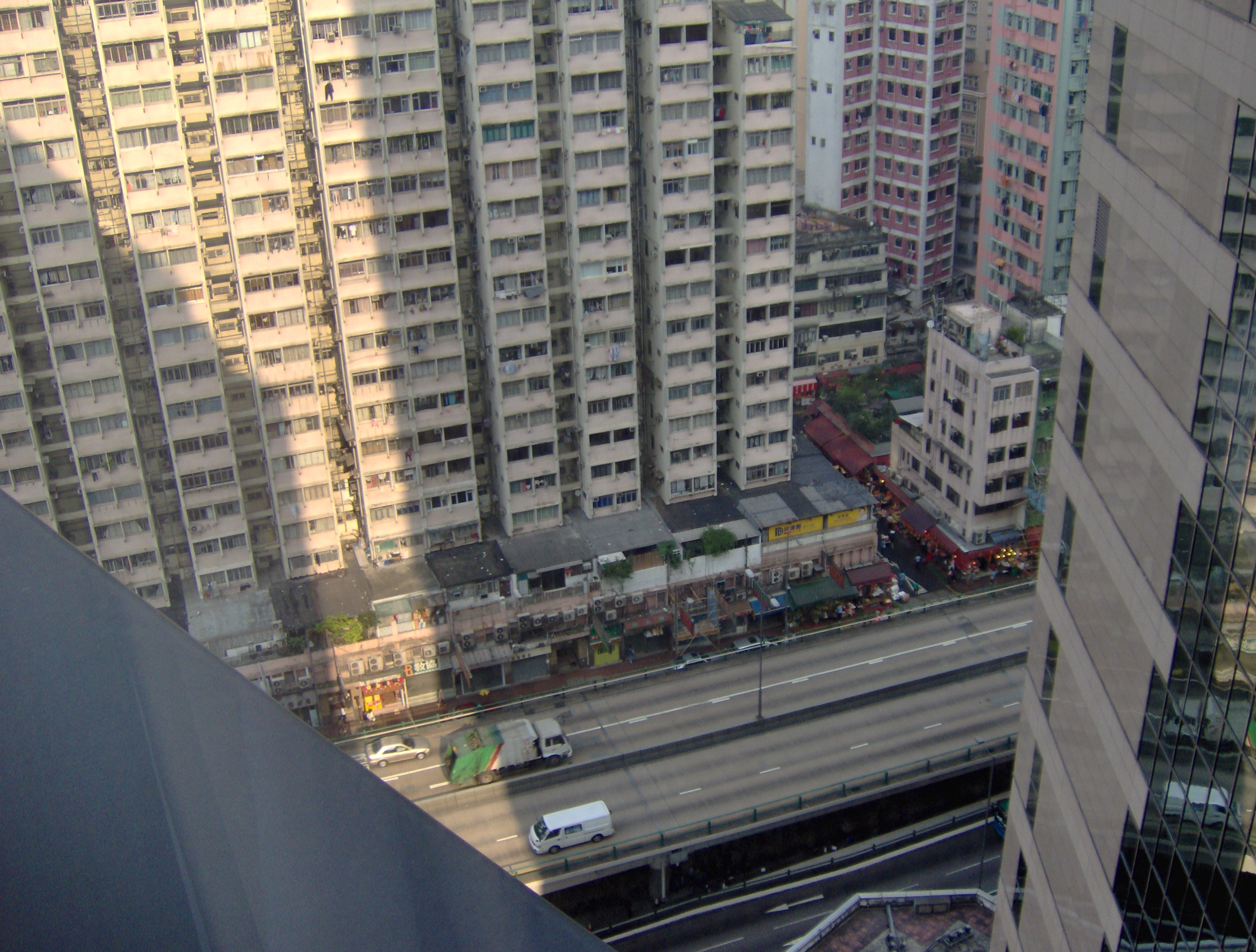
Looking out of the Holiday Inn in the early morning

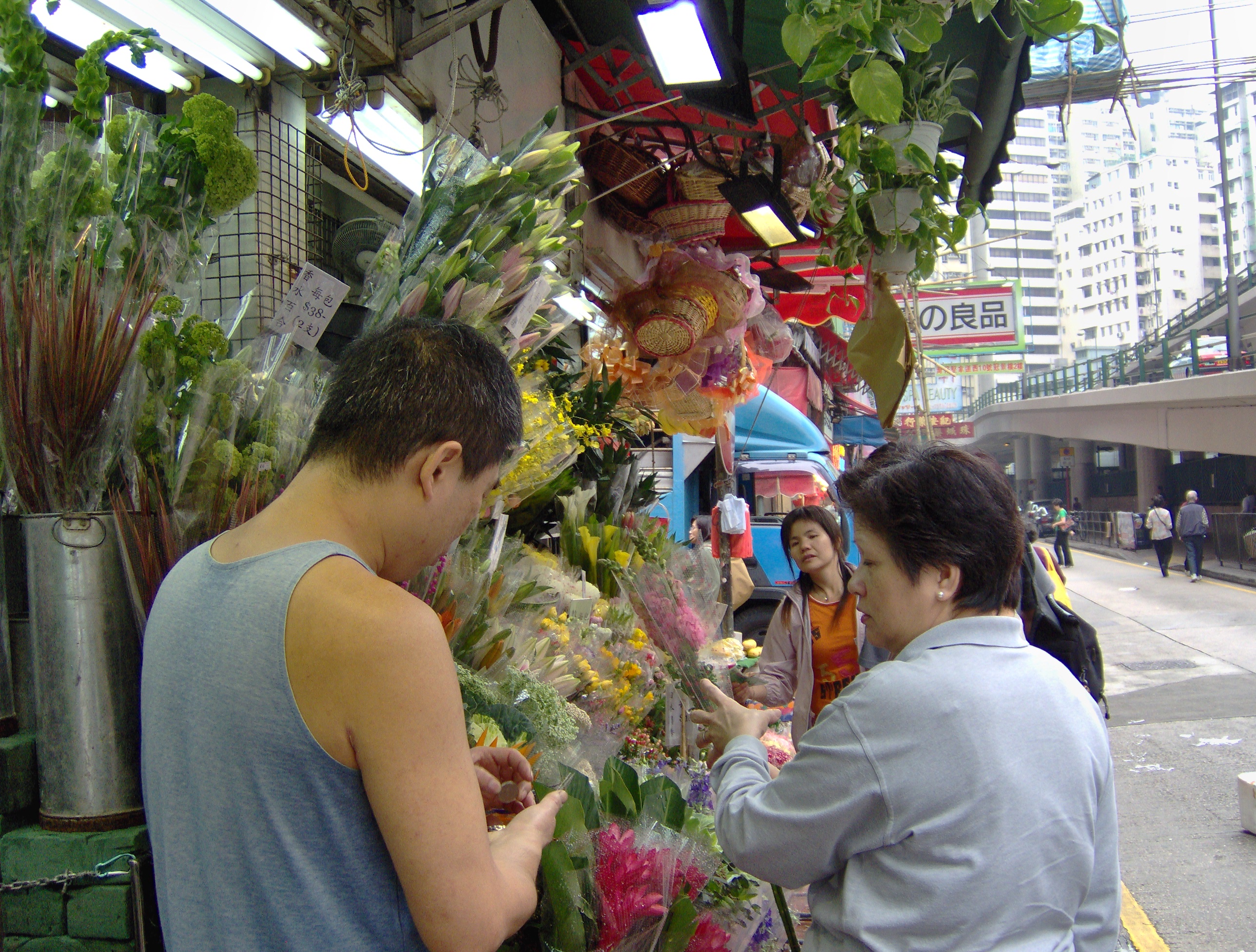
Looking out of the Holiday Inn in the early morning  I saw folks setting up for market.

I ventured out into the streets, but Alex was just too tired from the long flight.  The little I saw of Hong Kong was a real mixture of modern and traditional.  The Mall across the street, Times Square, was perhaps the most “high end ” mall I have ever seen.  The market was more timeless

Hong Kong fruit and vegetable market

Hong Kong fruit and vegetable market

After we recovered, we flew onto Manila, where we met Jon and his friend  Kel from Vancouver, in another Holiday Inn (which by the way was half the price of the Hong Kong one) Yes my flight and hotel confirmations were all accepted.

Travelling with Jon Joy and Kel from Manila to Baguio City, Joys home.

Travelling with Jon Joy and Kel from Manila to Baguio City, Joys home.

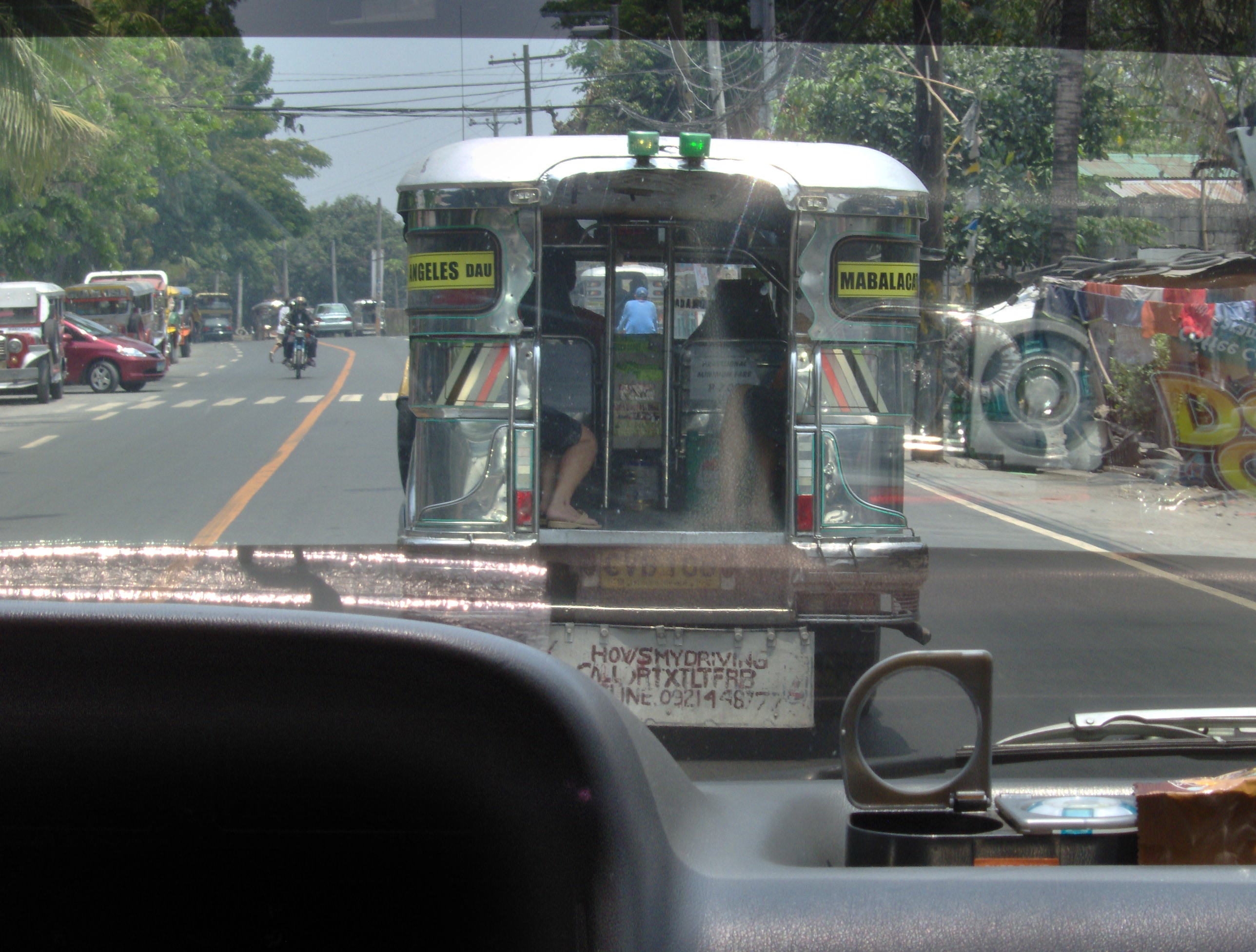
Jeepneys are a popular mode of travel, ( modified US military jeeps from yesteryears)

Jeepneys are a popular mode of travel, ( modified US military jeeps from yesteryears)

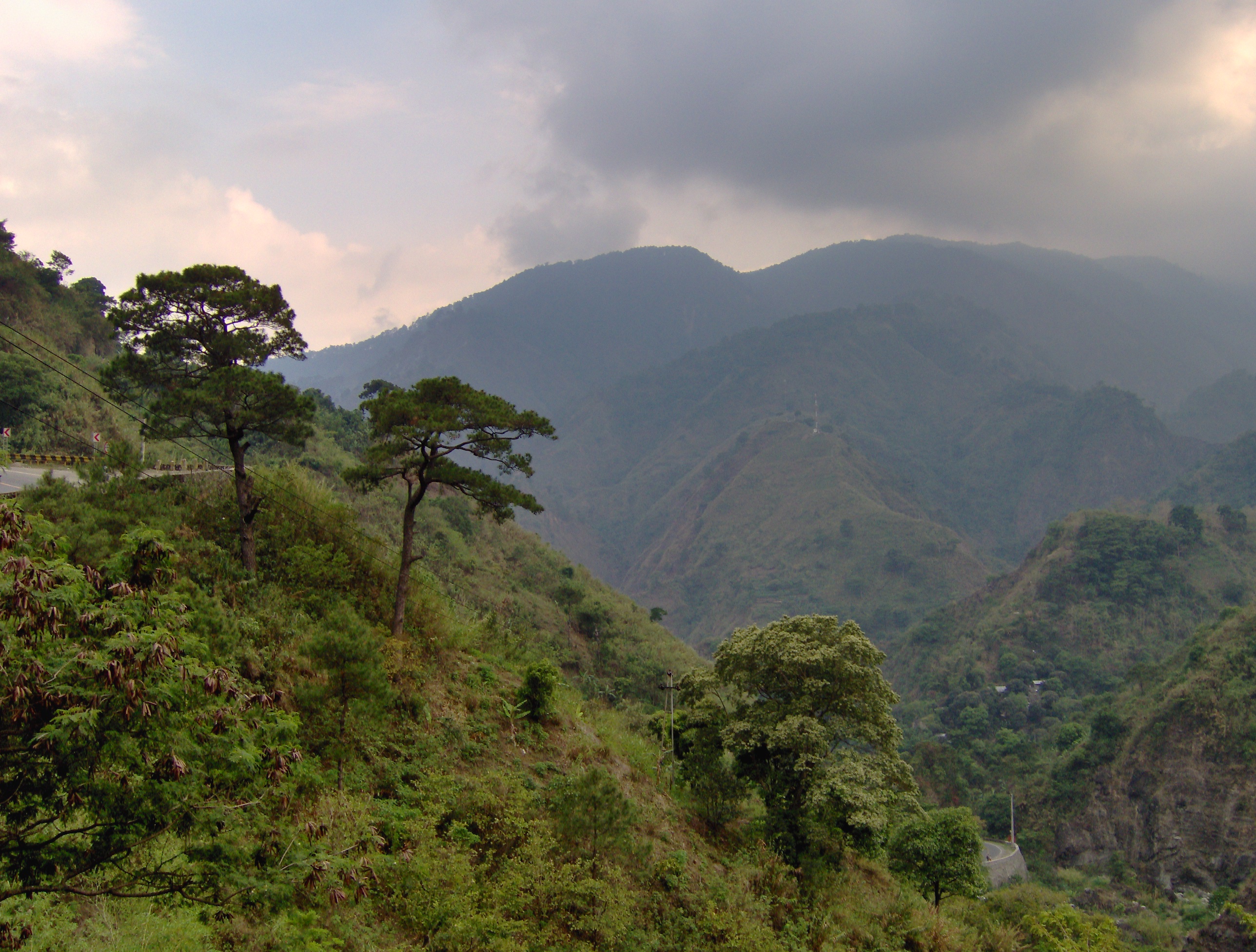
As we travelle toward our destination, pine trees began to appear.

As we travelled  toward our destination, pine trees began to appear.

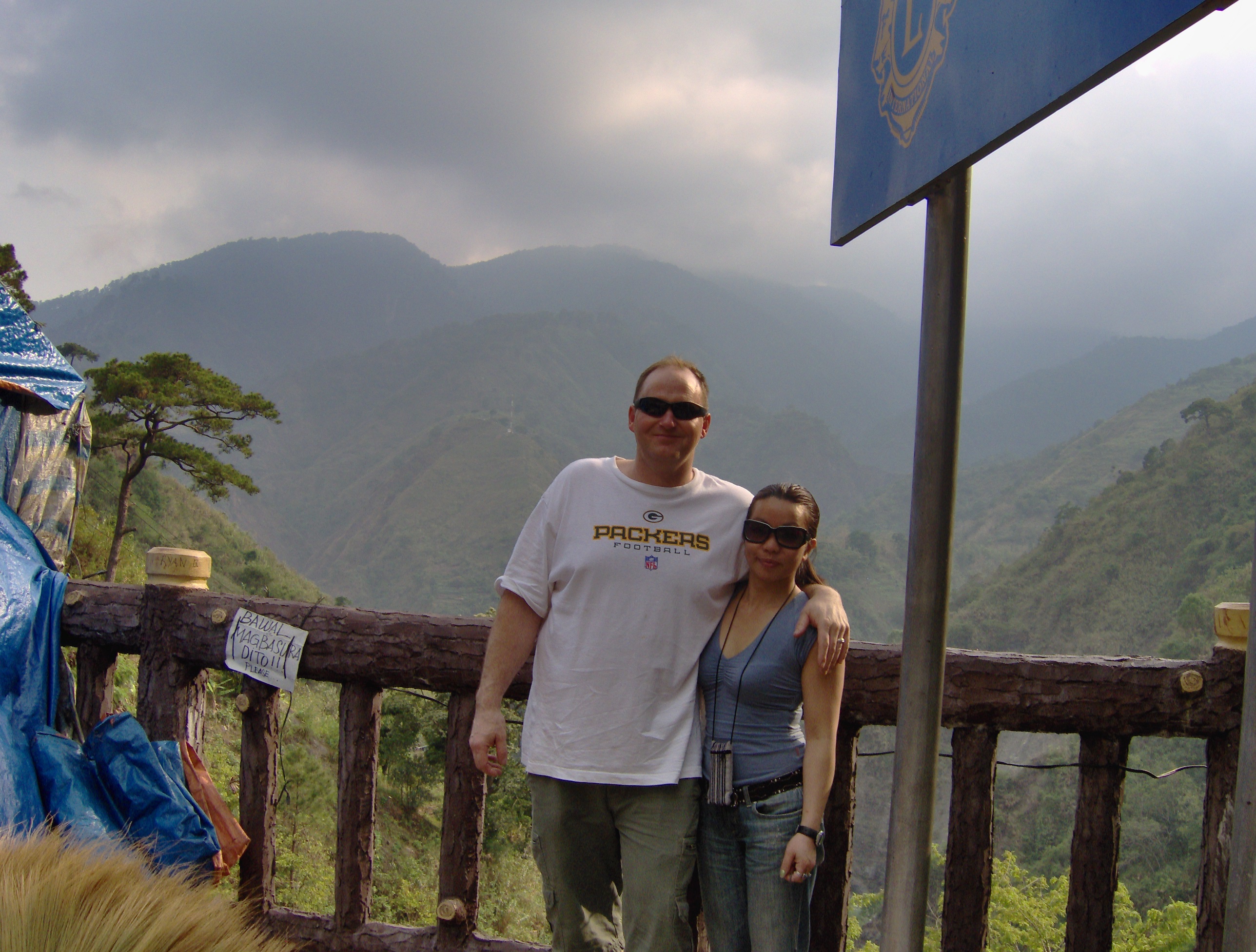
Jon and Joy on the trip to Baguio City

Jon and Joy on the trip to Baguio City

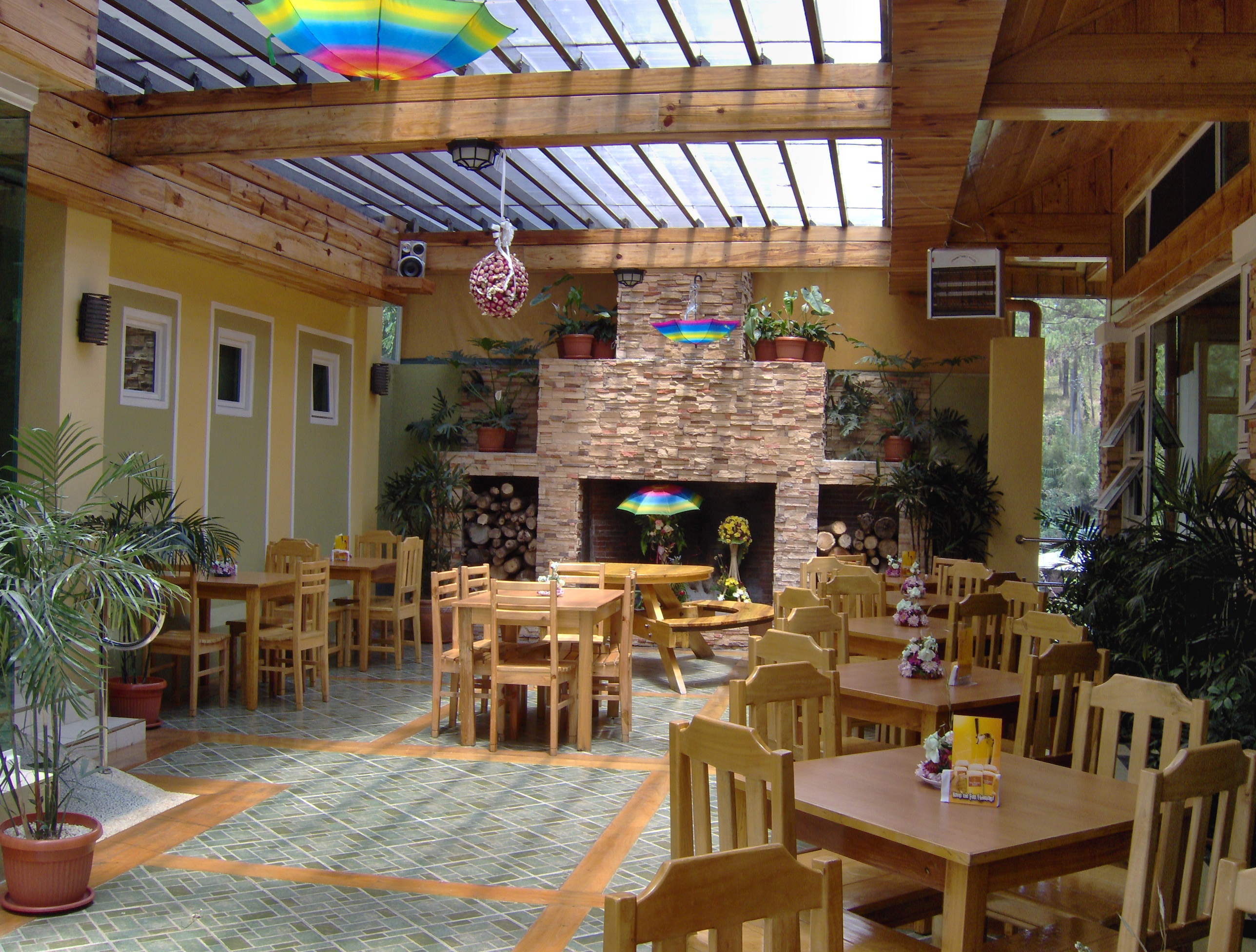
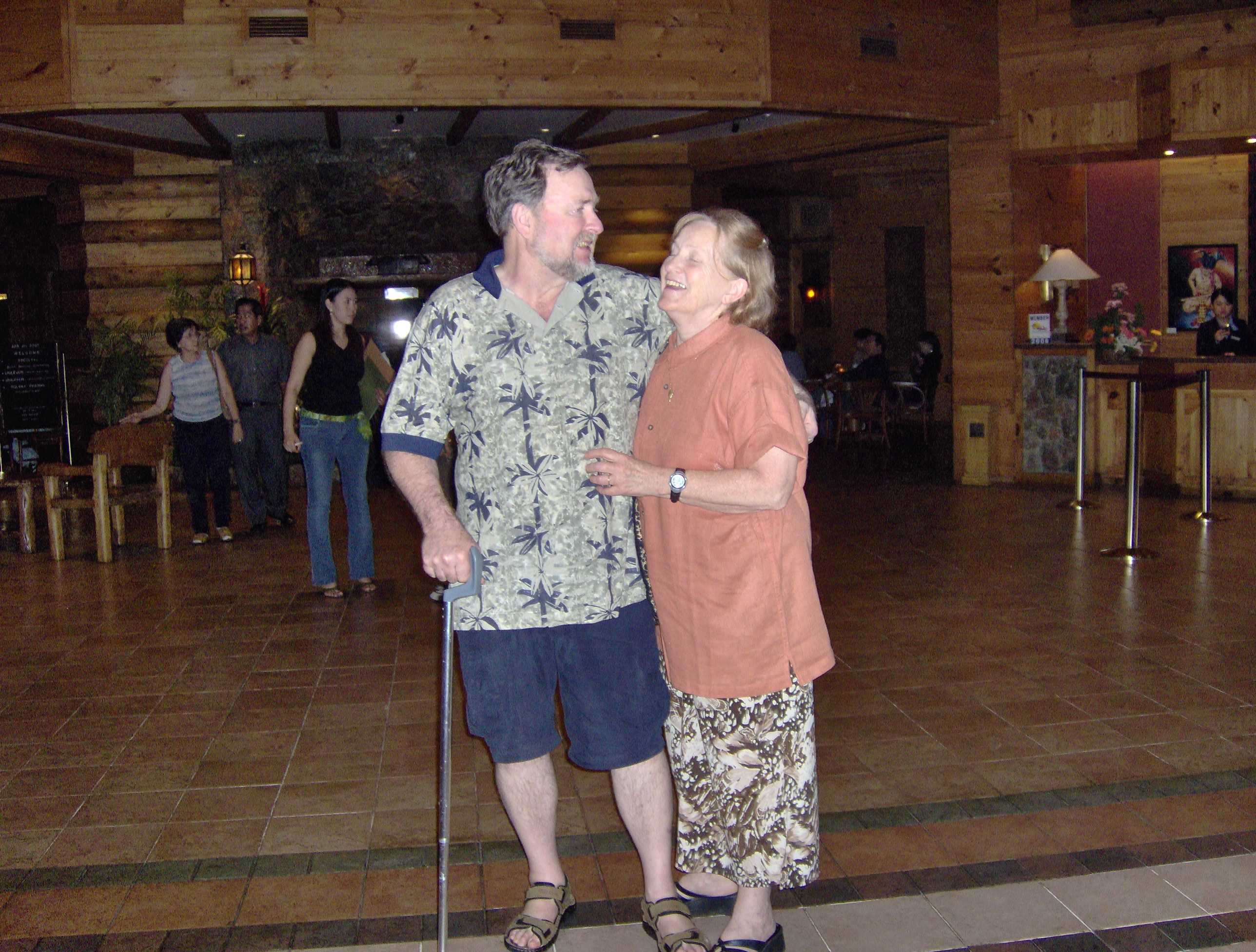
Finally, we arrived at Baguio City to find pine trees, and moderate temperatures.  The hotel I booked from home was so pleasant, with open beamed pine logs, it reminded us of British Columbia or Jasper Alberta.

We could not have asked for a more pleasant dinning room, one whole wall missing. Just couldn't get the

We could not have asked for a more pleasant dinning room, one whole wall missing. Just couldn’t get the “toasted bread” concept. Wonderful service otherwise.

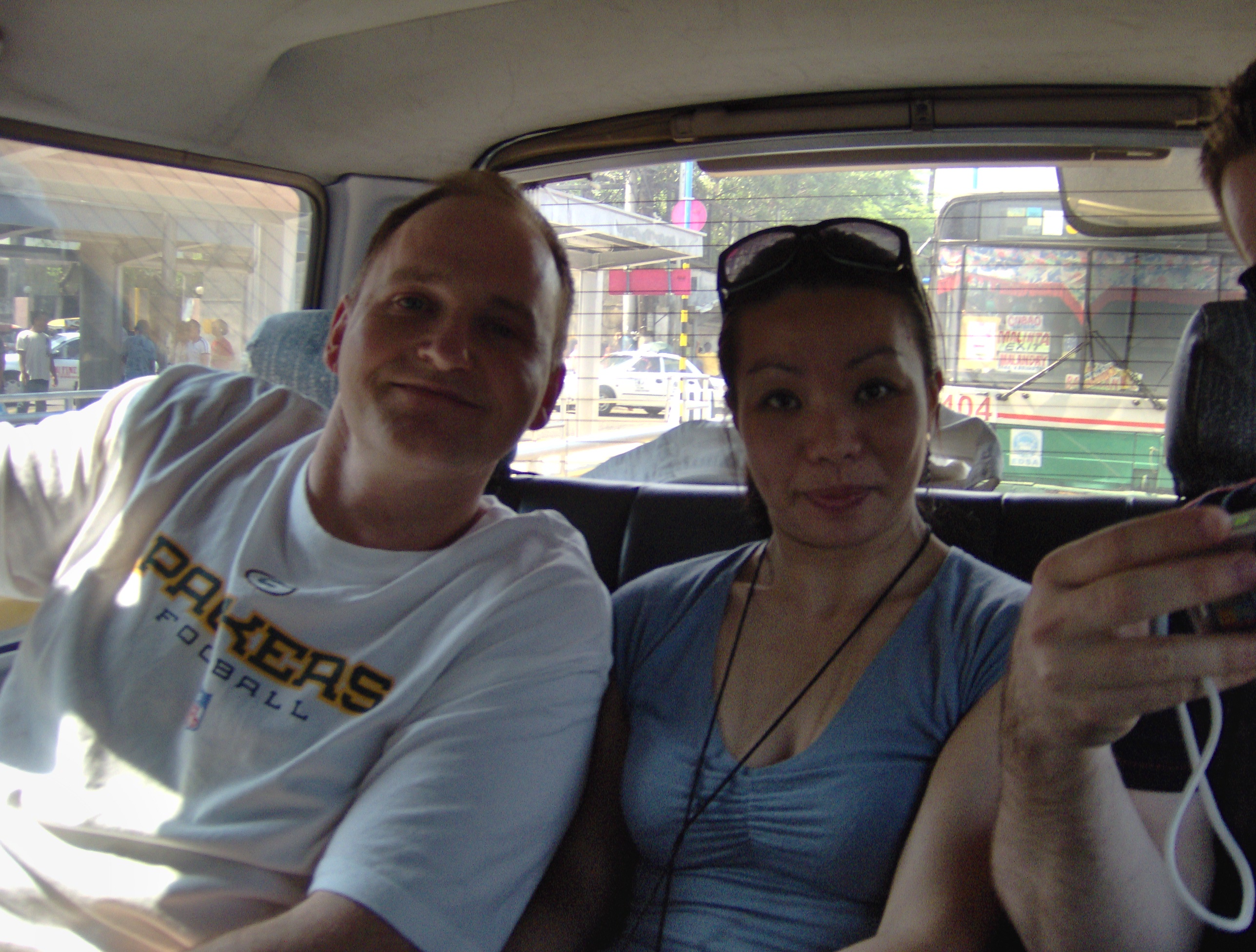
I will always recall the roosters crowing in the yard below us, and the chickens running about, and the fresh eggs served in the dinning room. Now came the amazing hospitality of all Joys relatives, taking us out to one restaurant after another lunch and dinner.  All  our travel was in taxis, who had wonderful music playing and always help for Alex to get in and out cabs.

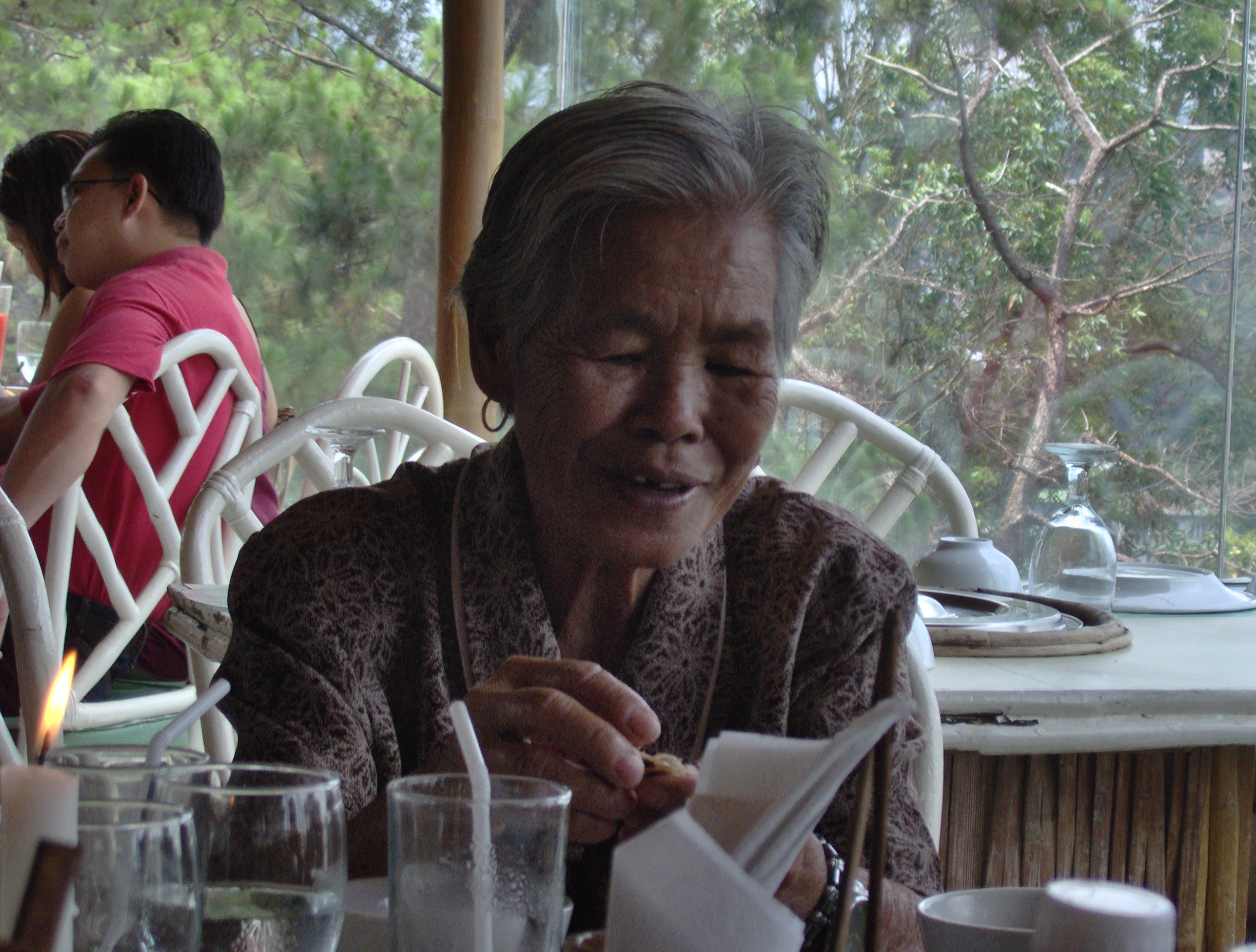
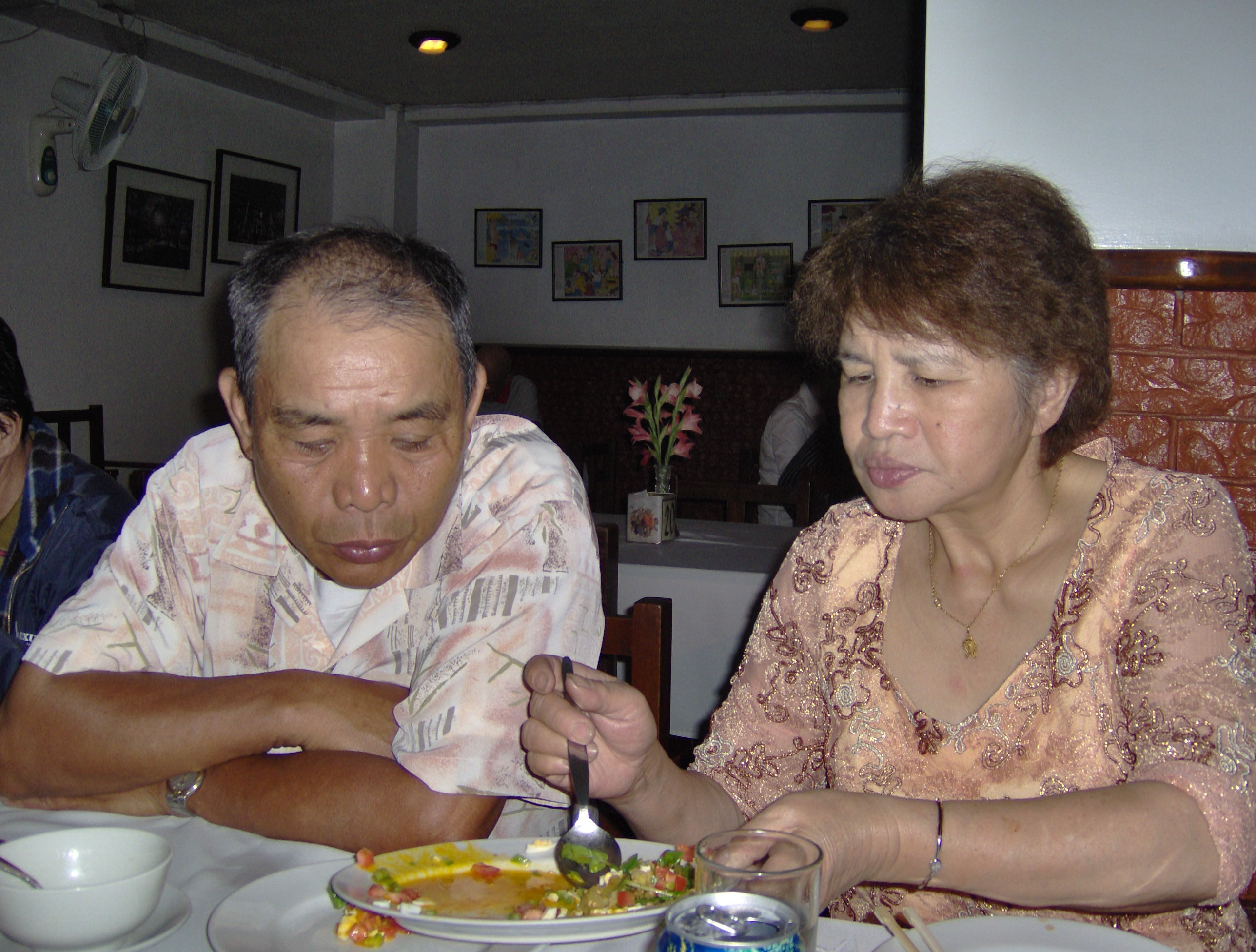
One of Joys aunt thoroughly enjoying her oyster.

One of Joys aunt thoroughly enjoying her oyster.

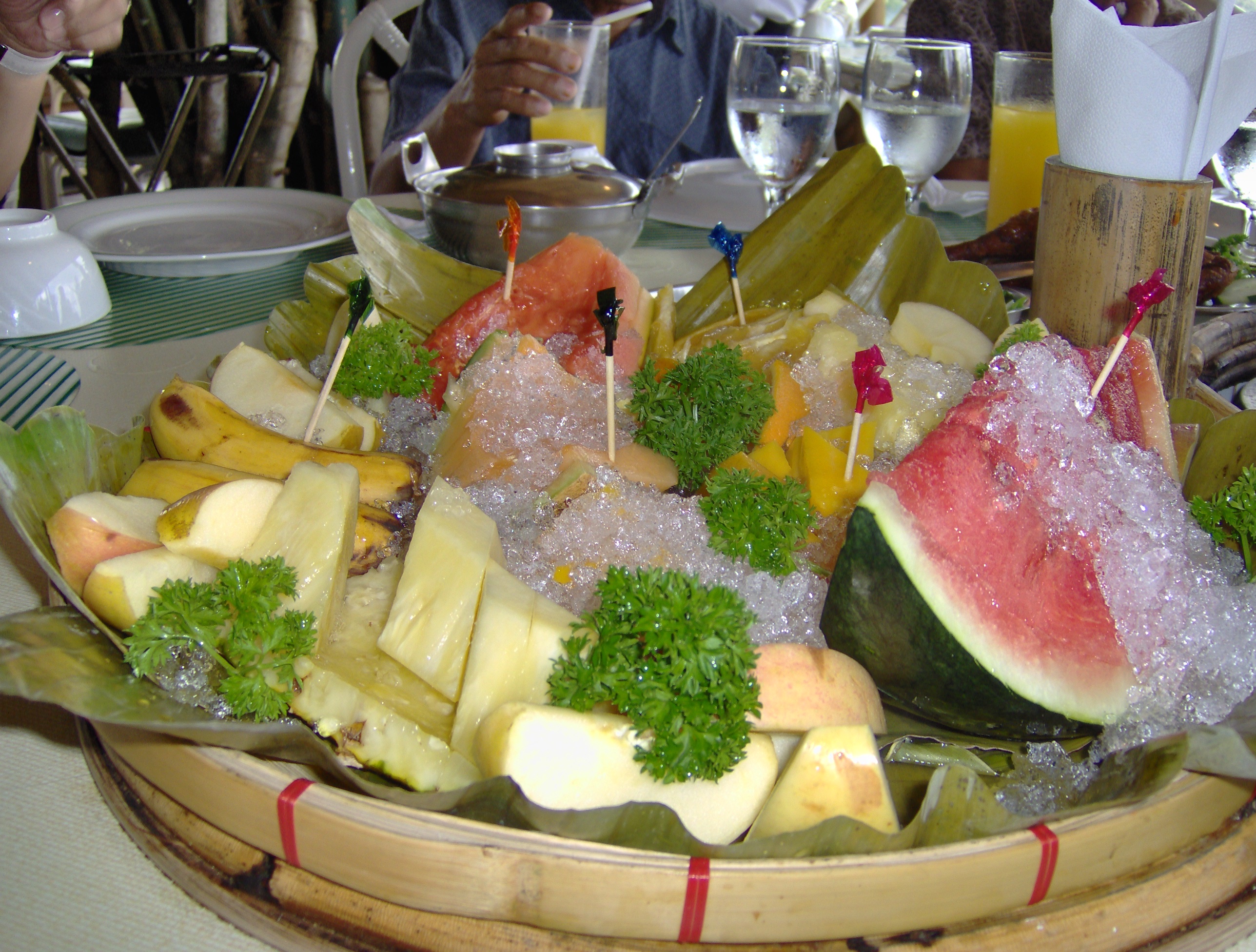
Dessert!!

DesserDessert!!

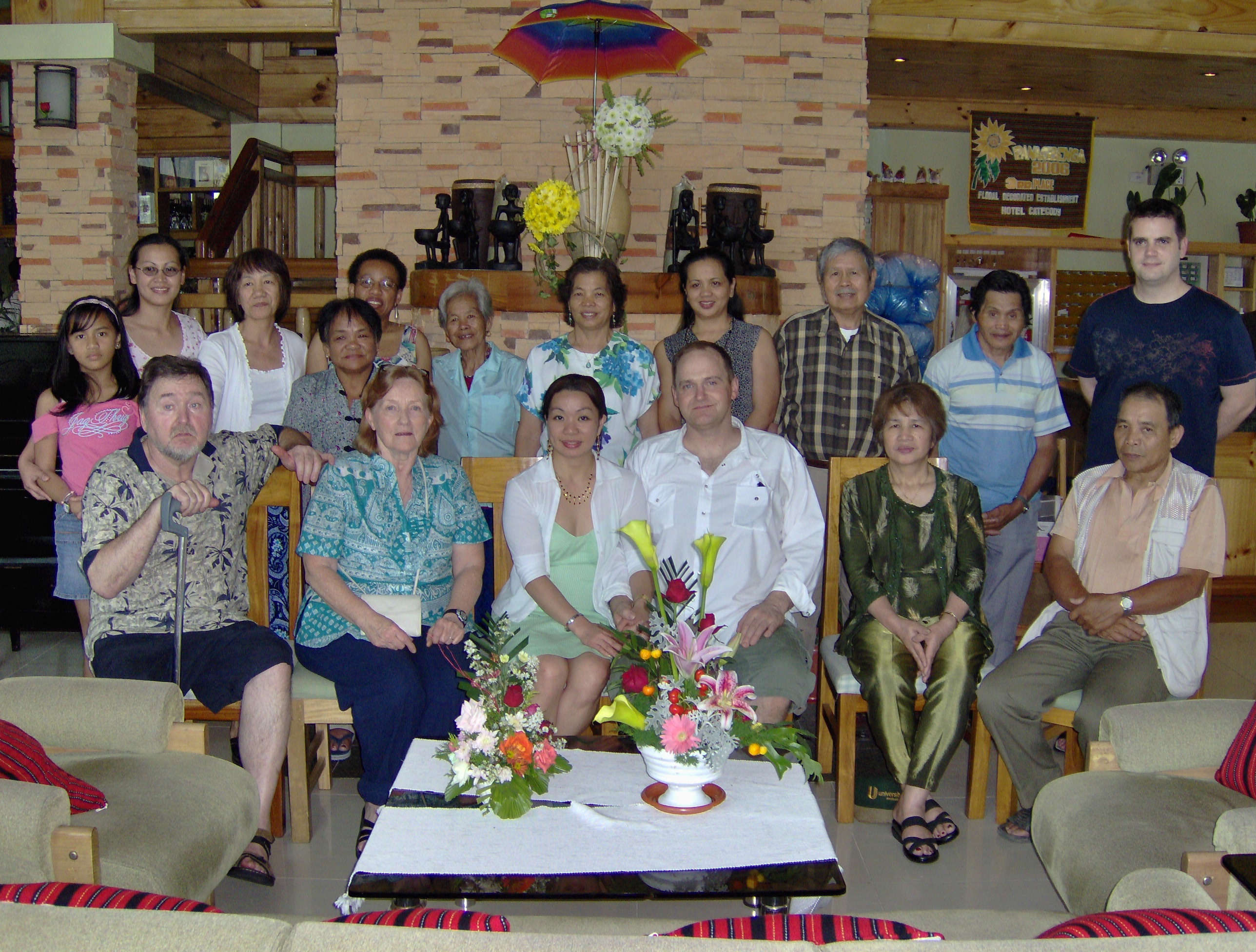
The relatives at our hotel one lunch.

The relatives at our hotel one lunch.

Another super evening at a lodge that was just lovely

Another super evening at a lodge that was just lovely

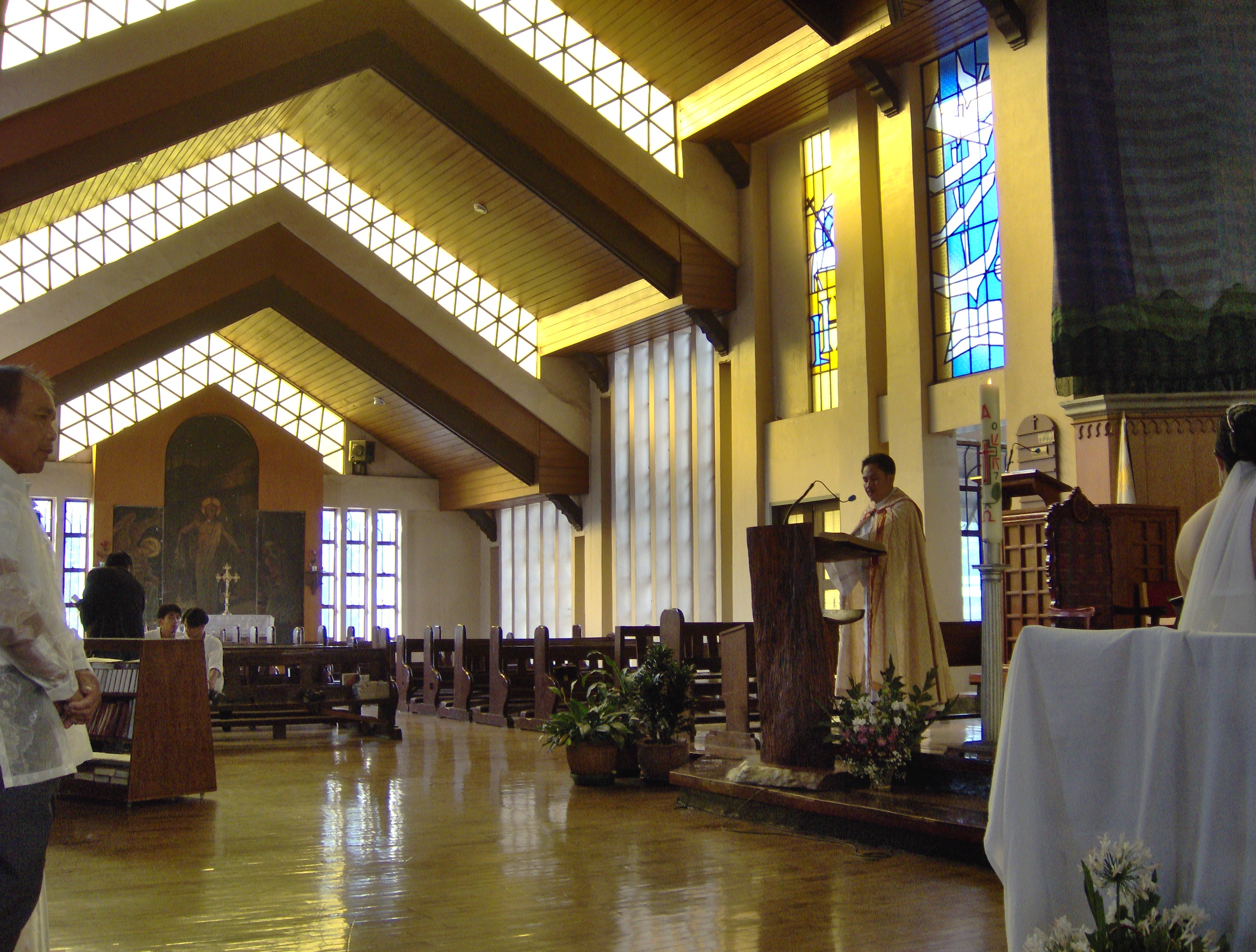
Finally, the wedding day arrives, and we travel downtown to the Episcopal cathedral for the western ceremony.

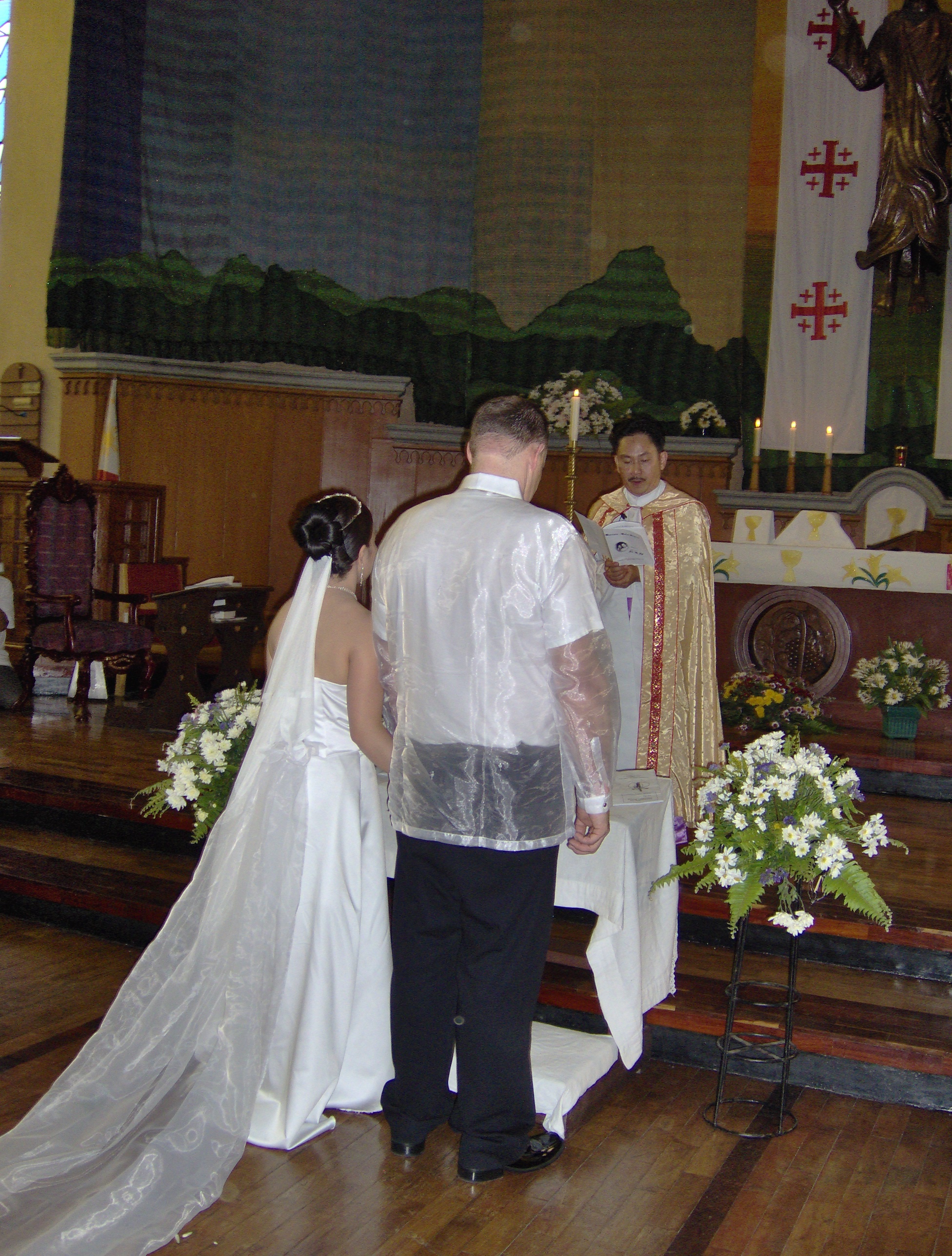
See the traditional wedding shirt for bridegrooms, Alex wore one too.

 The choir was spectacular coming from the upstairs balcony.  We Gather together to  Ask the Lord’s blessing

Joy and Jon at the alter.  Take note of the Phillipine wedding shirt for men. Alex wore one also.

Joy and Jon at the altar  Take note of the Philippine style wedding shirt for men. Alex wore one also.

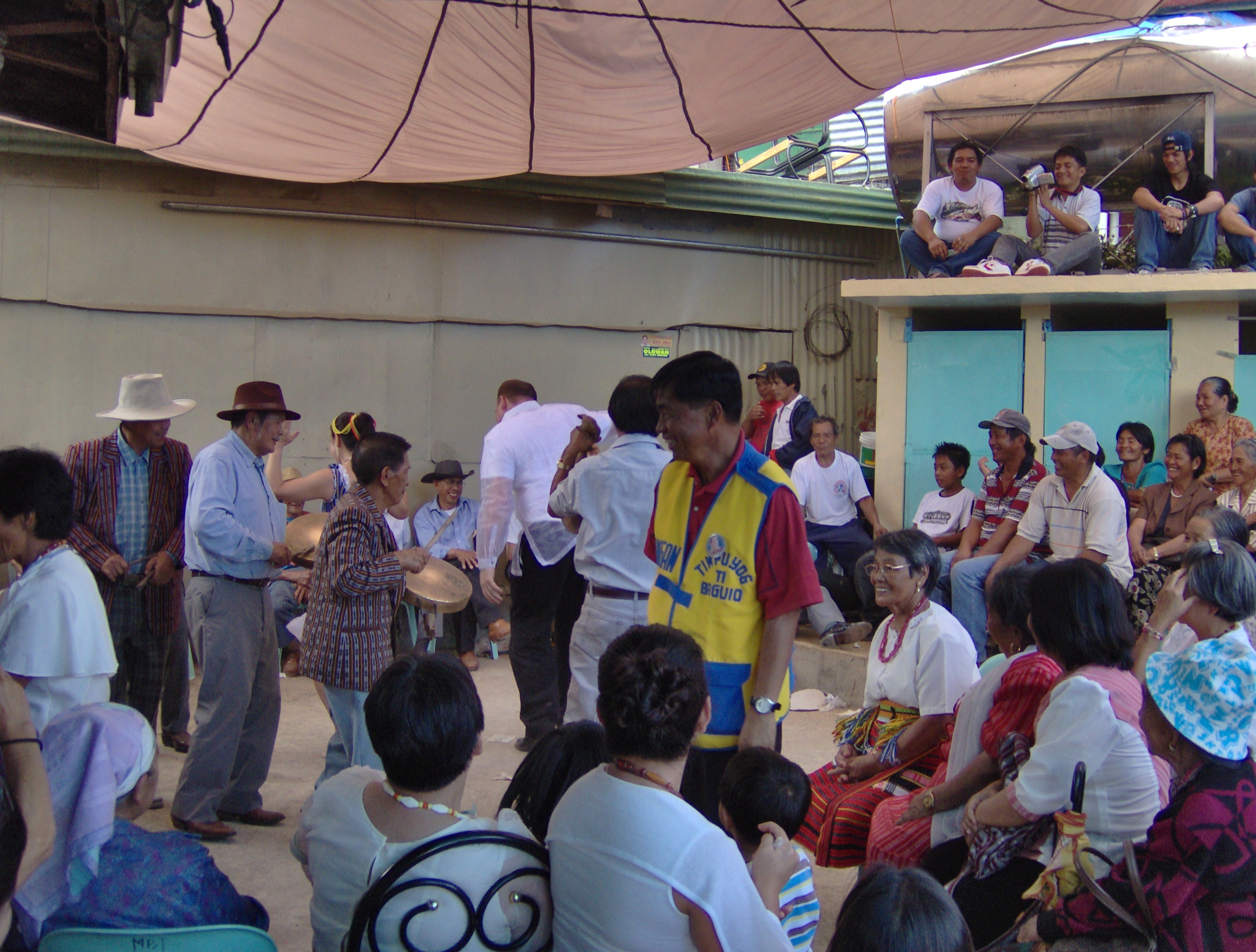
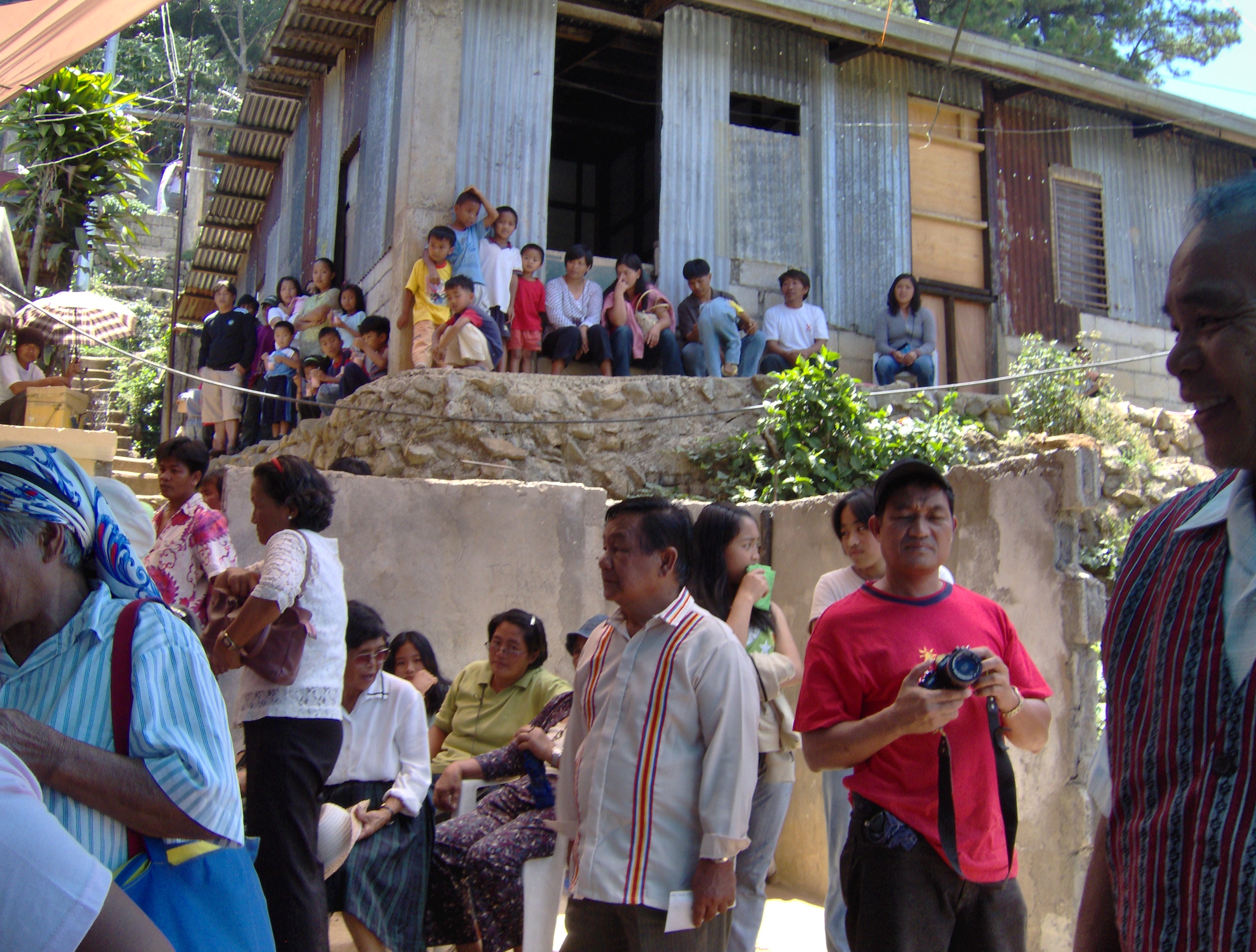
The next day there is  the traditional wedding from Joy’s tribe.  It was held on her parents’ property and there were probably 1,000 (yes) in attendance. Pigs were slaughtered in the backyard (this was a shocker for Kel, who is from West Van, as it would be for so many of us). Rice was cooked in great quantities, as well. Joy wasn’t necessarily acquainted with everyone, but it is a tradition to show up at all the weddings of your tribe and bring some pesos, to start the young couple off in life.  I believe Jon and Joy gave the pesos to her parents.

People kept streaming through all afternoon,

People kept streaming through all afternoon,

The building in the background is the Pentecostal church.

The building in the background is the Pentecostal church.

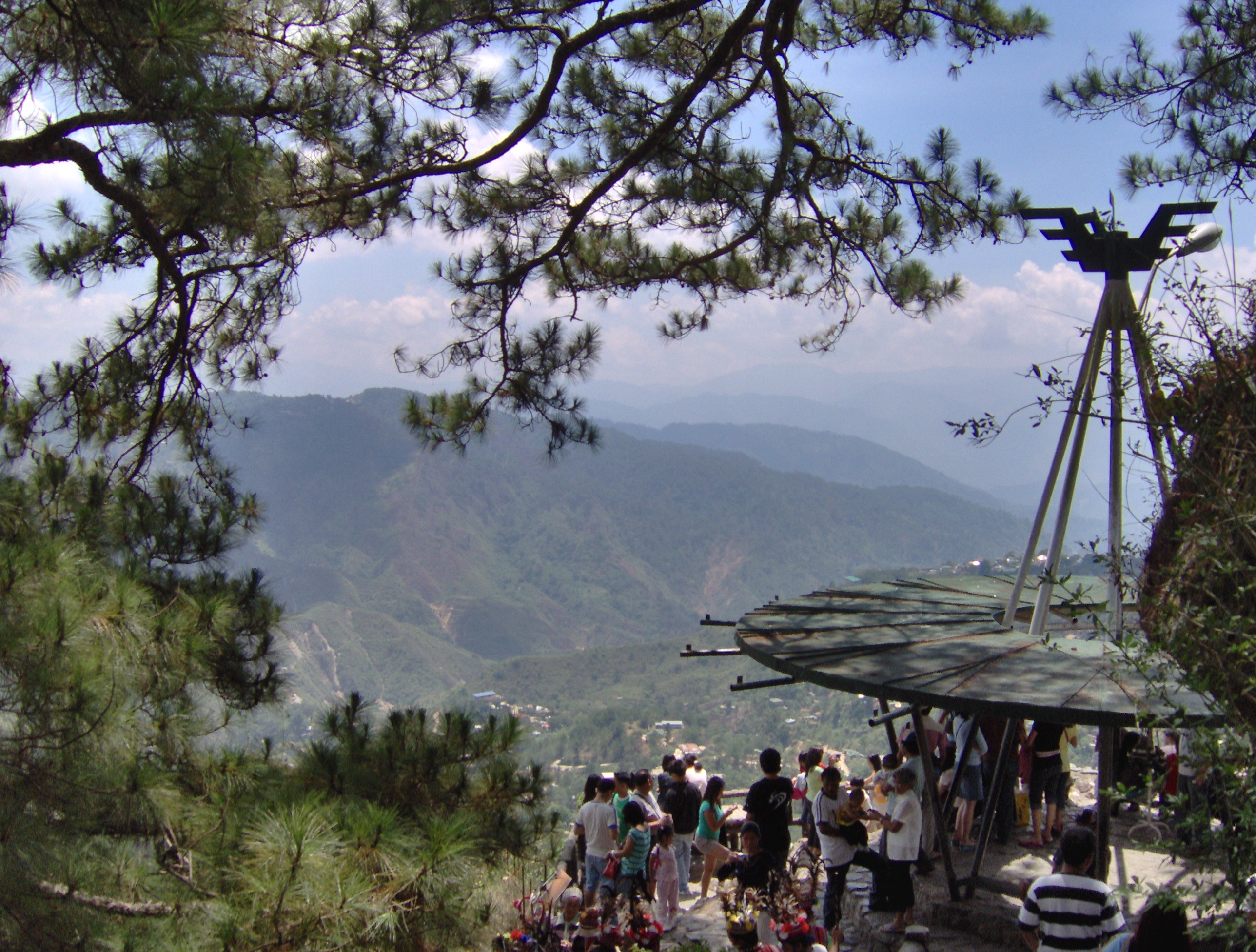
An abandoned gold mine where Joy's father worked years ago, today a tourist spot.

An abandoned gold mine where Joy’s father worked years ago, today a tourist spot.

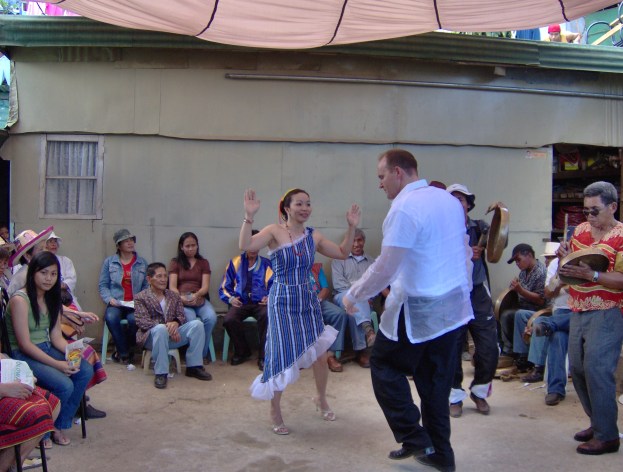
I was fascinated to see the similarities of their dancing and the Inuit drum dancing.  What generous and hospitable people, whether in the stores, or taxis, or wherever we were, I agree with a travel writer I read once.  “The Philippines are a nation of gracious people”   I know there are always exceptions , but I can wholeheartedly agree with that statement.

As you can imagine, we were nearly worn out from all the festivities, and I still regret that Alex was not stable enough on his feet to get to the traditional wedding.

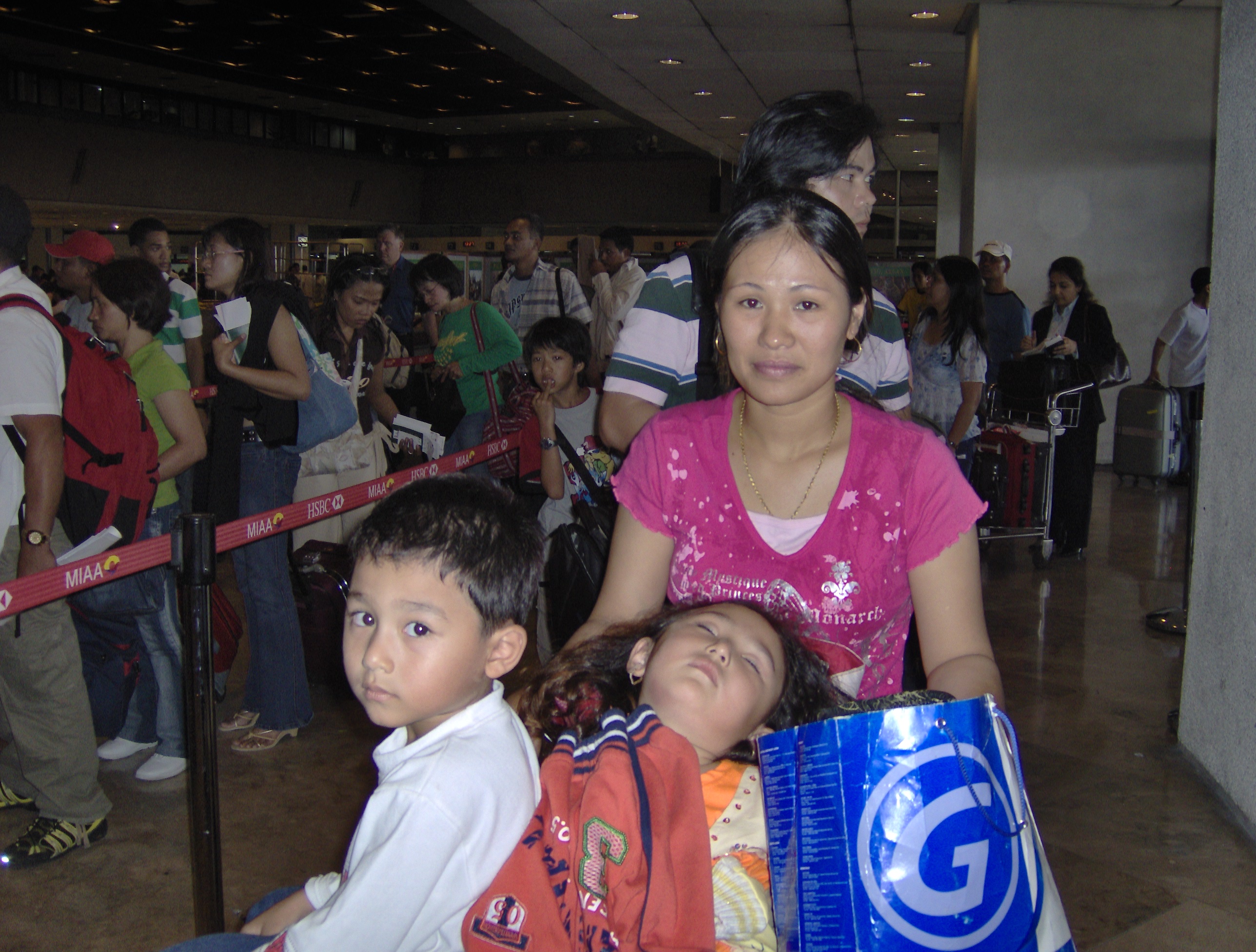
It might have been the next day, we flew on a small plane back to Manila and now I was smart enough to get a wheelchair for Alex.  They put us into a taxi to get to the other part of the airport, and there were literally lanes full of taxis, lined up.  When we pulled up outside the terminal where we were to get our flight to Hong Kong, I was so concentrating on getting Alex into another wheelchair, and gathering our luggage, I missed a small carry on bag in the back seat.  As I struggled to get Alex into a lineup outside the terminal  the realization struck me, that I didn’t have my tickets. Looking over the sea of taxis, I wondered  how this was going to turn out. I remember being conscious of  having wanted to tip the driver, and was out of pesos, now I left Alex in the line up and went to look for help. I found a small police station and told them my plight.  Miraculously,I had the receipt from the taxi, and that made it so they could contact the cab company, and ask that driver to return. RELIEF !!  I think by the time he returned I found a cash machine and got his tip, which he certainly deserved.  I have so often been the recipient  of mercy.

In the lineup to get into the Maila airport.

In the lineup to get into the Maila airport.

It is not a clear memory now, but we made it back to Hong Kong, and by now I was clued into the convenience of sleeping in the airport hotel, which is a great boon to anyone handicapped.  So that way, someone pushed him from arrivals right to our hotel door, and in the morning took us to departures.

All went smoothly, and the flight home travelling over  Japan straight to Vancouver was much quicker.

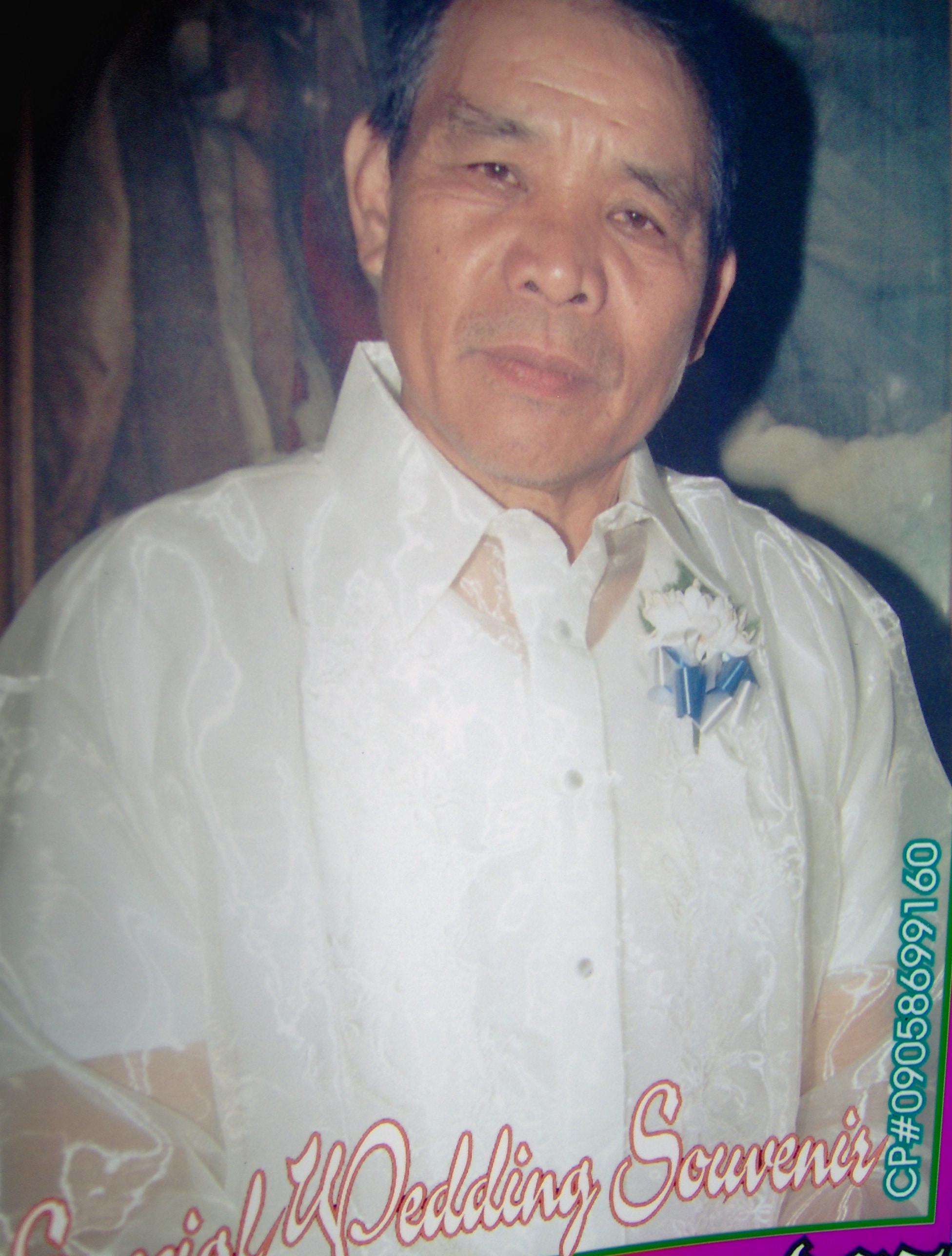
Sadly, Joy and Jon barely got back to Toronto and they got word that Joy’s father passed.  He had looked well at the wedding.  We were privileged to meet him and I will post a picture of him  to him memory.  He and Joys Mom were gracious hosts.

Probably the most expensive hotel we ever had, but worth it in this case.

Probably the most expensive hotel we ever had, but was worth it.

Leaving Hong Kong

Leaving Hong Kong

DOMINGO BATNE Joy's father

DOMINGO BATNE
Joy’s father

Domingo and Adele Batne.

Domingo and Adele Batne.

A “WEE” CRUISE TO HAWAII

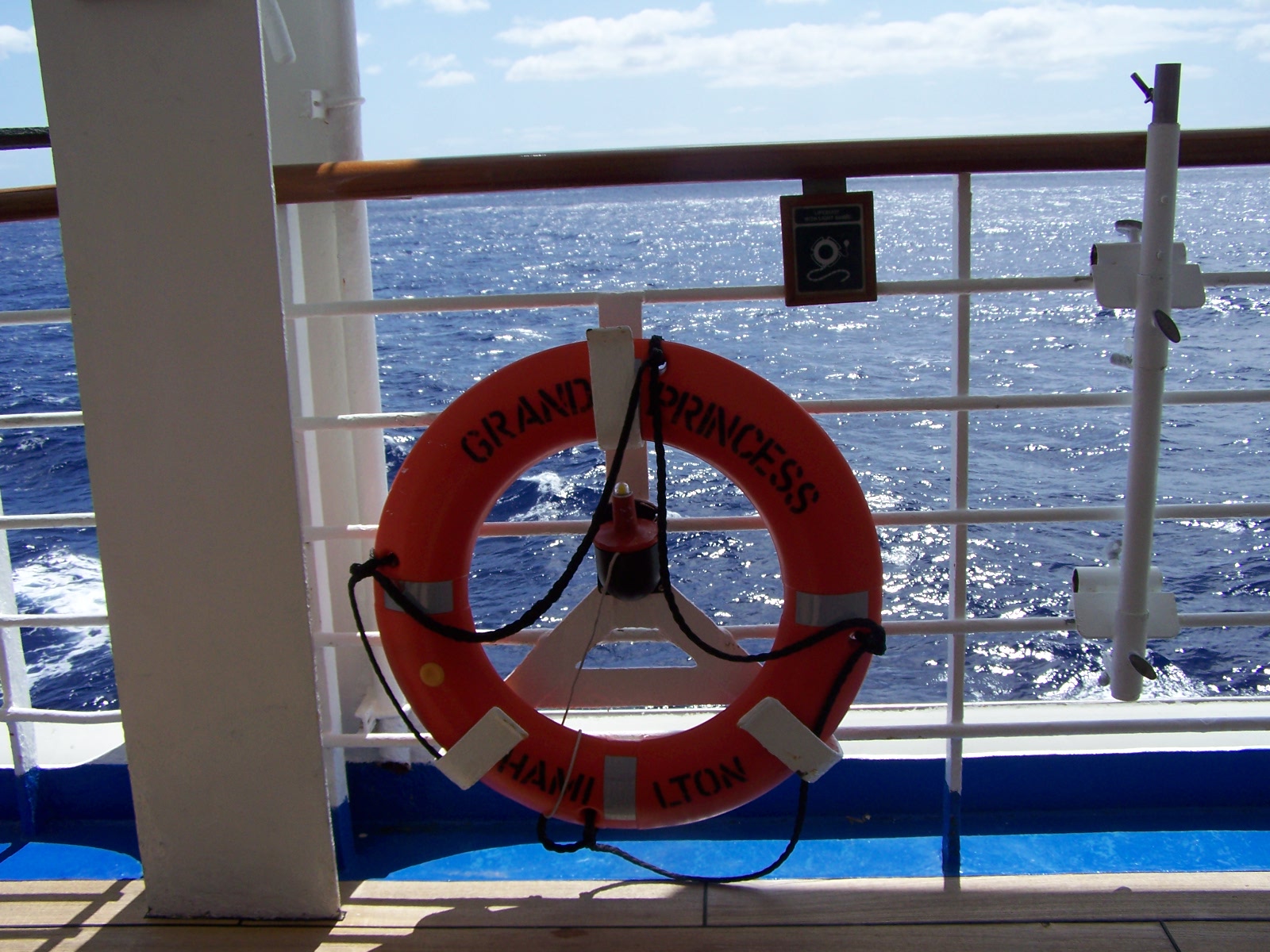
GRAND PRINCESS

GRAND PRINCESS

boarding ship in vancouver

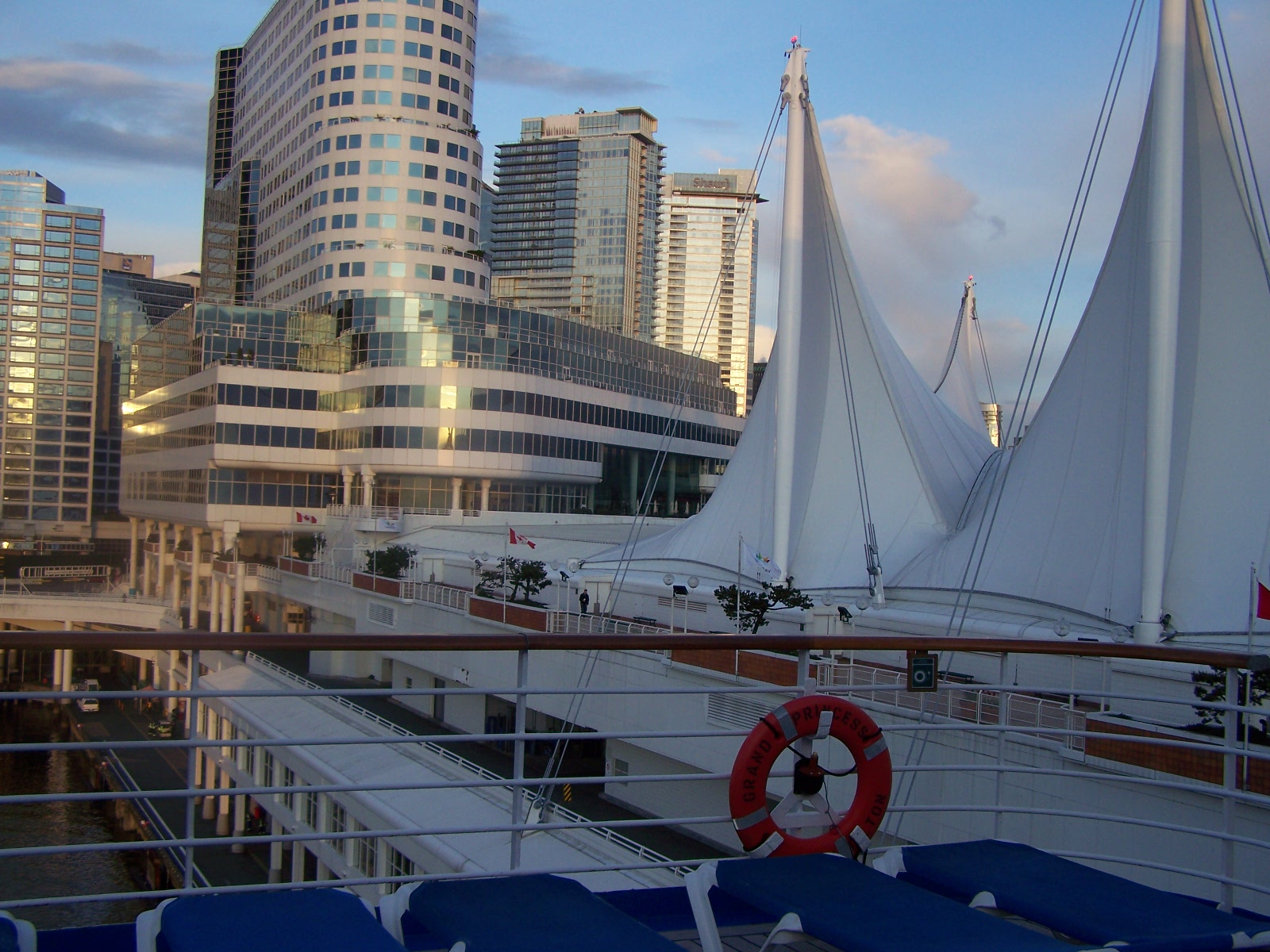
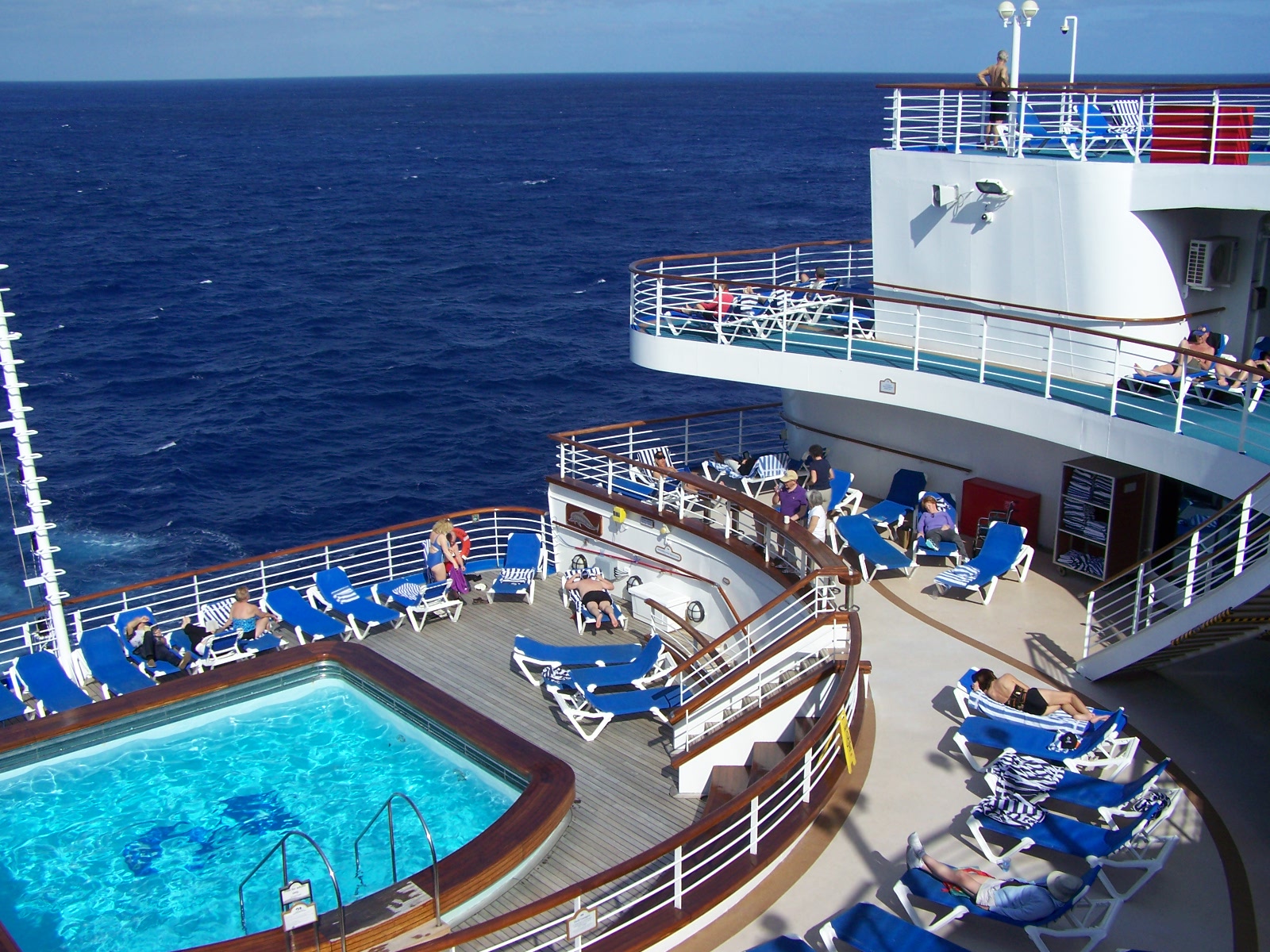
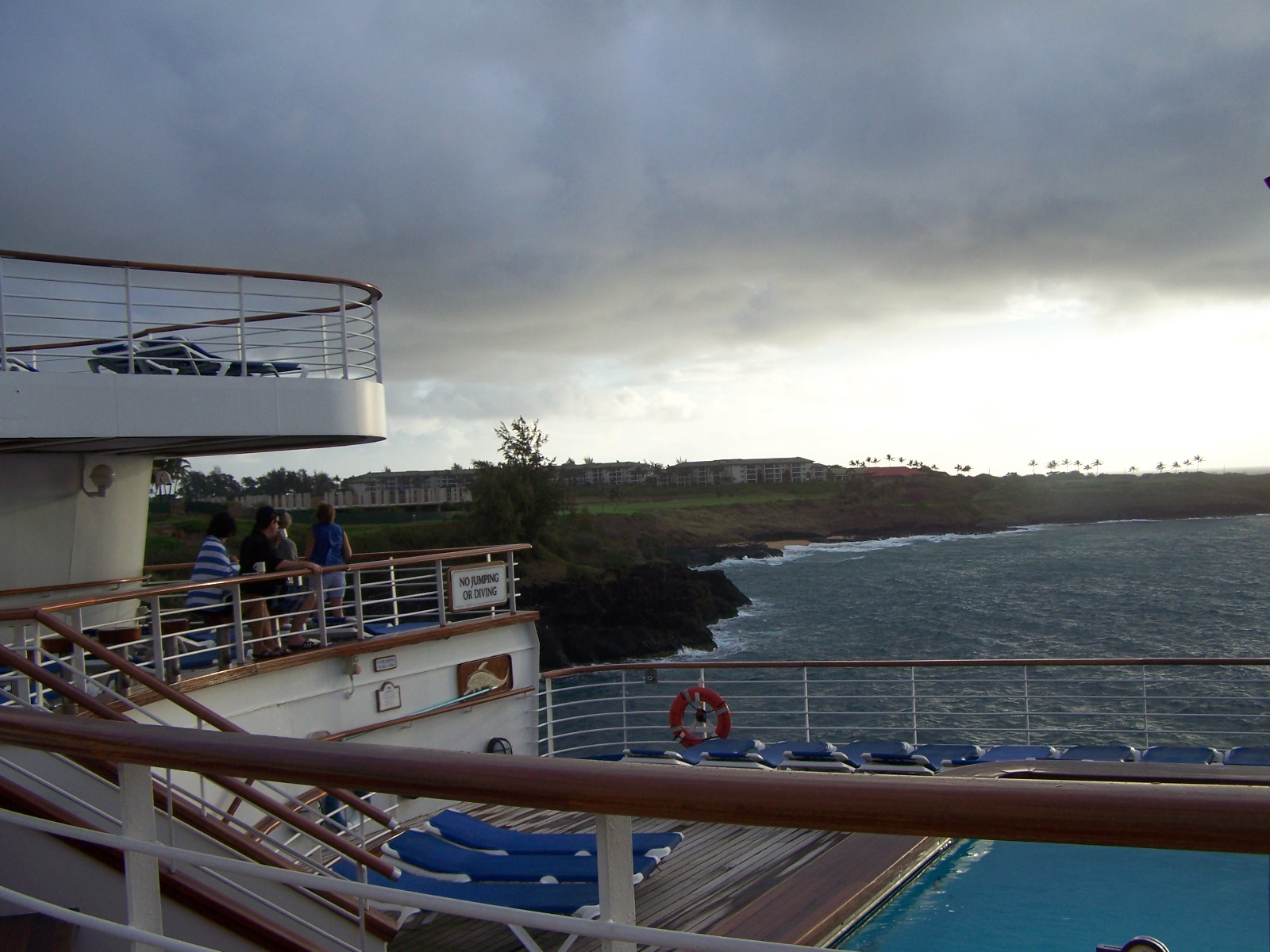
On March 22, my friend Debora, from Victoria and I met on the ship, docked at beautiful Canada Place, to start our Hawaiian adventure. Had we wanted to get to Hawaii in five hours instead of Five Days, we would have taken West Jet or Air Canada, but that wasn’t the program.  Being new to cruising, I was aware that some folks get sea sick, and I had  tucked some Gravol into my suitcase. However, I am pleased to say, no sickness. Yes, there was some pitching and tossing, but not too serious. There were about four days of sailing in cool weather, gorgeous blue water and a never ending horizon.

100_2815Our days were filled with meals, some great lectures by  a retired UBC physicist that challenged our thinking and made us laugh. Did I mention eating?  Buffet?  dinning room ,  a good time to meet all those Western Canadians, from Lower Mainland, Chilliwack, Abbotsford, Prince George, Ft. St John, Edmonton, Calgary and on and on.

Finally, on the fourth day, the sun was hot and the deck chairs filled up. Our stateroom was nearby this one, and that is my little pool that I frequented very early in the morning, watching the day dawn.Finally, early on the fifth day, we saw land, after having seen only water, for the four previous days, not a ship, not a whale, not even a seagull.

FINALLY TIME TO GET INTO THE SUN.

FINALLY TIME TO GET INTO THE SUN.

100_2851100_2826-1

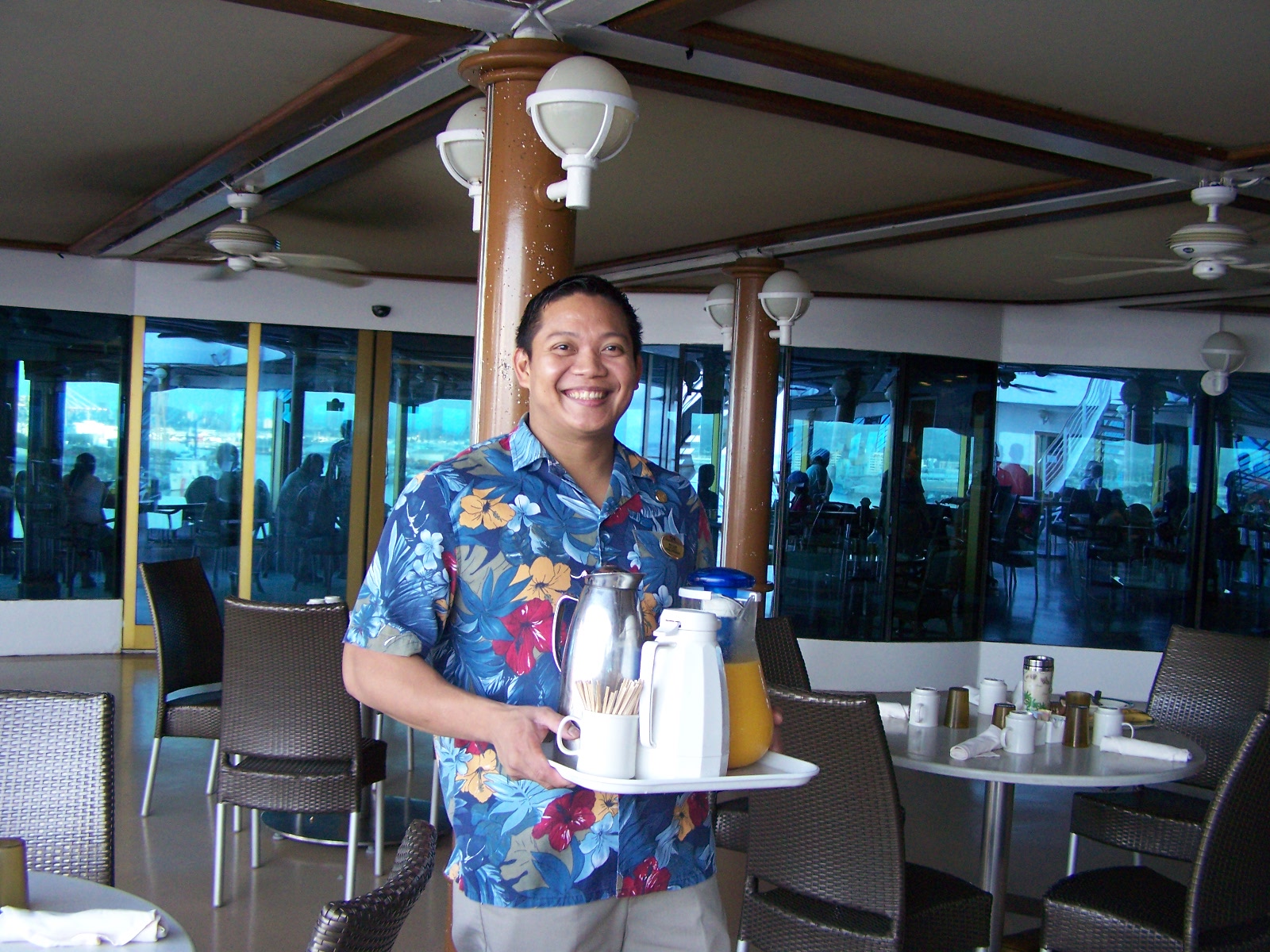
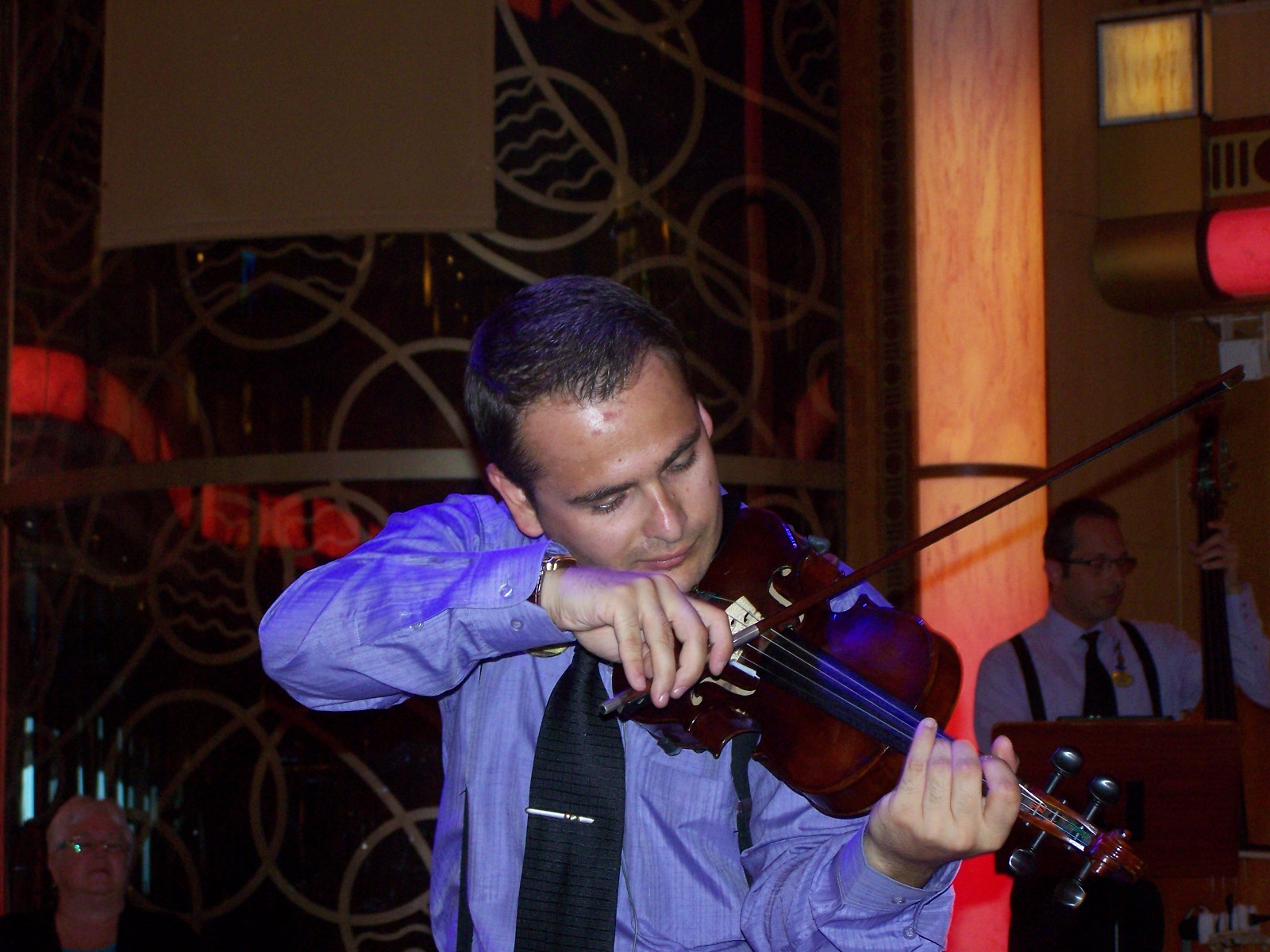
The wait staff were exceptional, in attitude and dedication, and looked after us on the deck, which was our favorite spot to dine. In the late afternoon on the Piazza, a three-piece ensemble, piano, bass and a  terrific violinist provided  just beautiful music in an open and casual setting. A highlight of the time on ship.100_2883

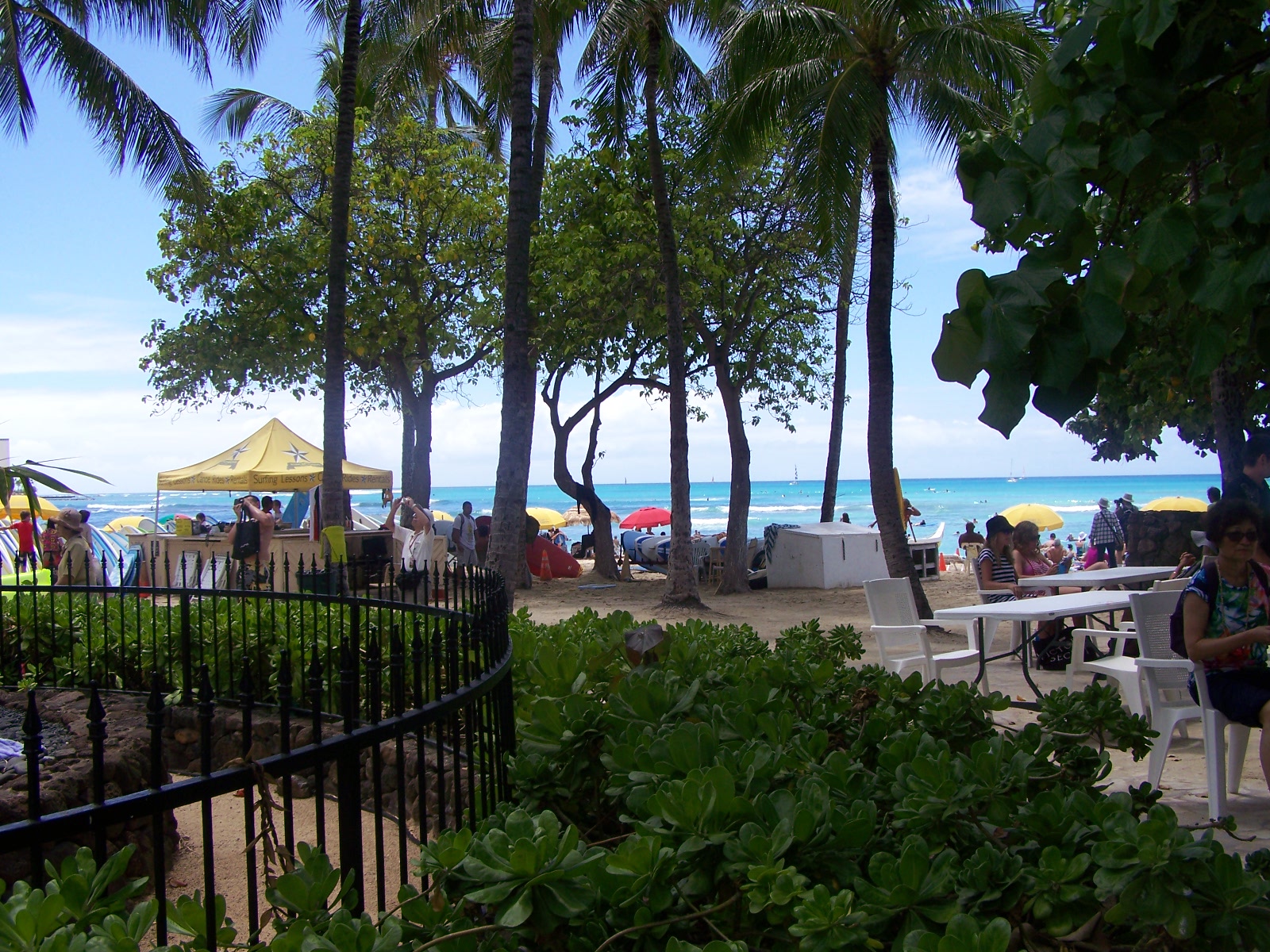
Beach at Waikiki

Beach at Waikiki

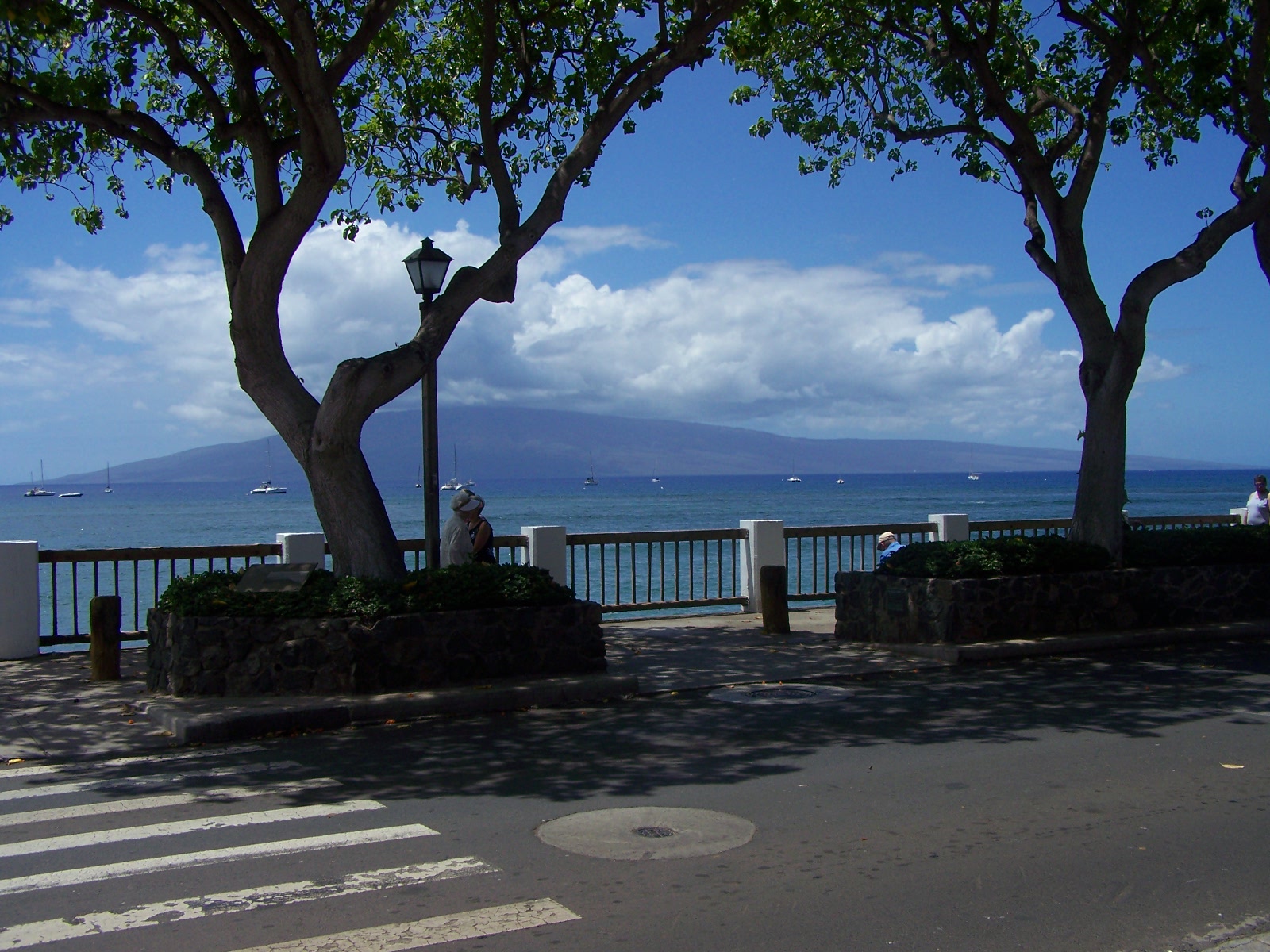
A PERFECT DAY ON MAUI

A GORGEOUS DAY ON MAUI

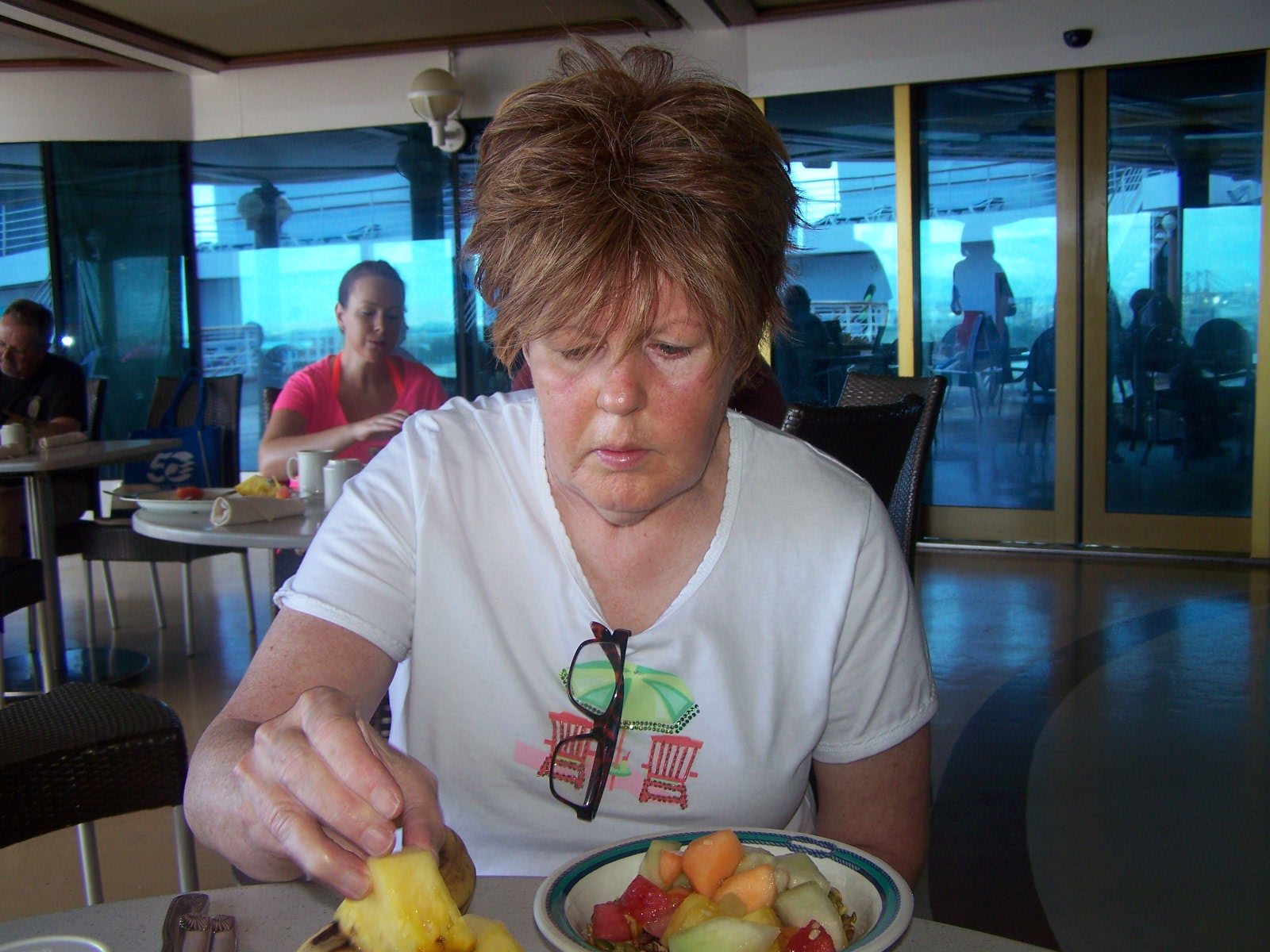
DEBORA ENJOYING BREAKFAST OUTSIDE

DEBORA ENJOYING BREAKFAST OUTSIDE

After the five days of travel to Hawaii, we spent four days touring four islands, and then we turned toward Vancouver and spent another five days and night returning . Finally, early the morning of April 6, I thought the ship had stopped and I quickly went on deck and discovered we were back at CANADA PLACE, WITH THE SUN RISING , QUITE BEAUTIFUL!  AND  VERY  GRATEFUL TO BE SAFELY DOCKED.

CANADA PLACE. APRIL 6

CANADA PLACE. APRIL 6

The day before was April 5, and it was two years since Alex left us.  Princess Lines was celebrating their 50th Anniversary and Alex and would have celebrated 50 years this June, so it seemed rather celebratory.  It would have been wonderful to have him with me, he would have enjoyed George, our physicist who lectured, but I think our road trips were hard to beat for his liking.

I found a picture of Alex taken when he still had lots of energy  and enthusiasm for living. which I am going to share with you today.

“please pass the ice cream. on the other hand I’ll reach over and get it myself”

c

THANKSGIVING IN QUEBEC 2014

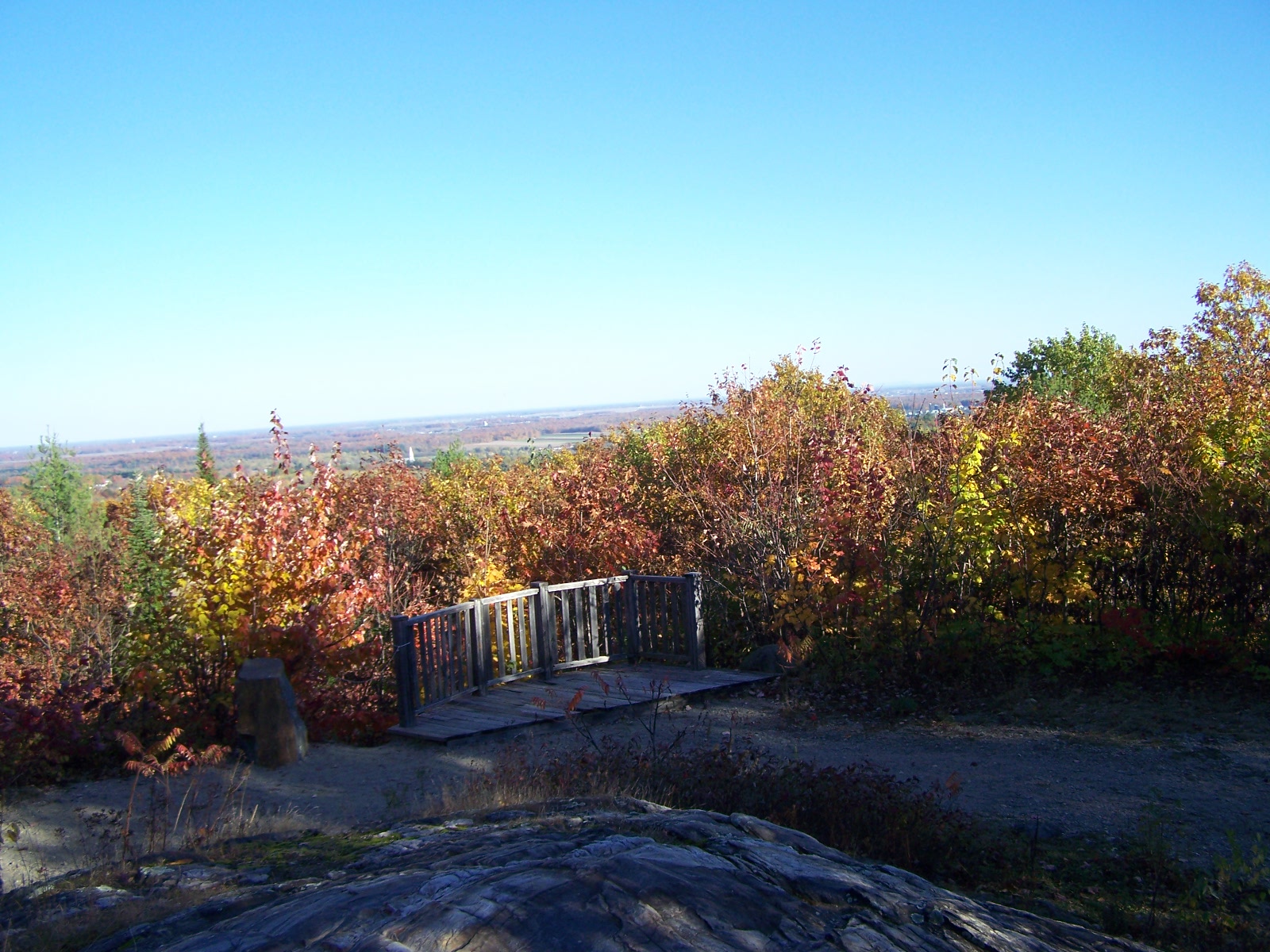
100_2558 100_2560Just arrived back from Quebec, last evening, having been visiting Sharon, Alex’s sister and Ken Schmucker and their family.  It was very enjoyable and 100_2575100_2563of course the weather cooperated to showcase the beauty of the countryside.

I tried out the MegaBus, that offers inexpensive travel from downtown Toronto to downtown Montreal . It was squishy but adequate and all went as planned.

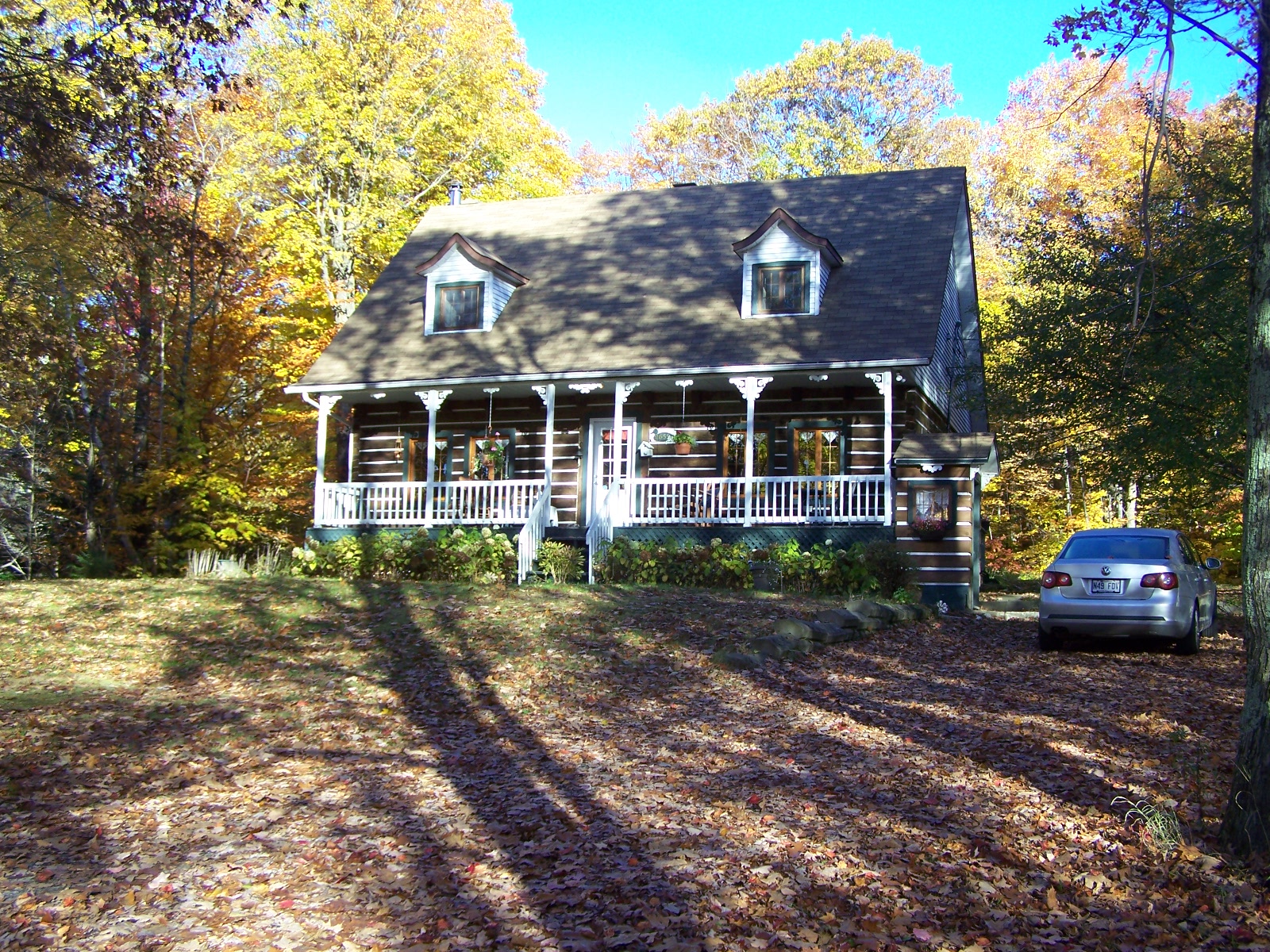
Ken and Sharon’s second house is nestled north and west of their present farm location across from a lake and among trees, trees trees.

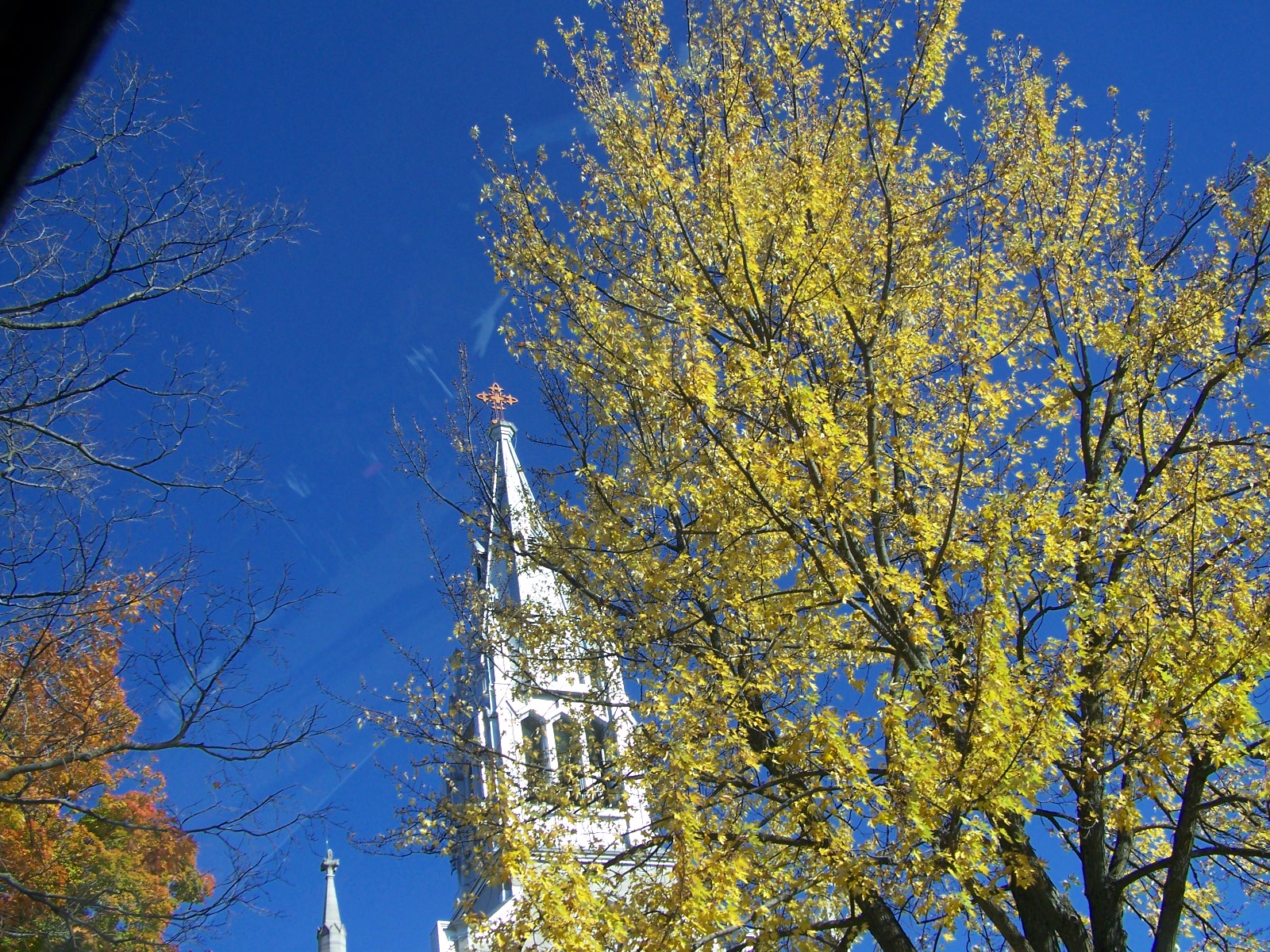
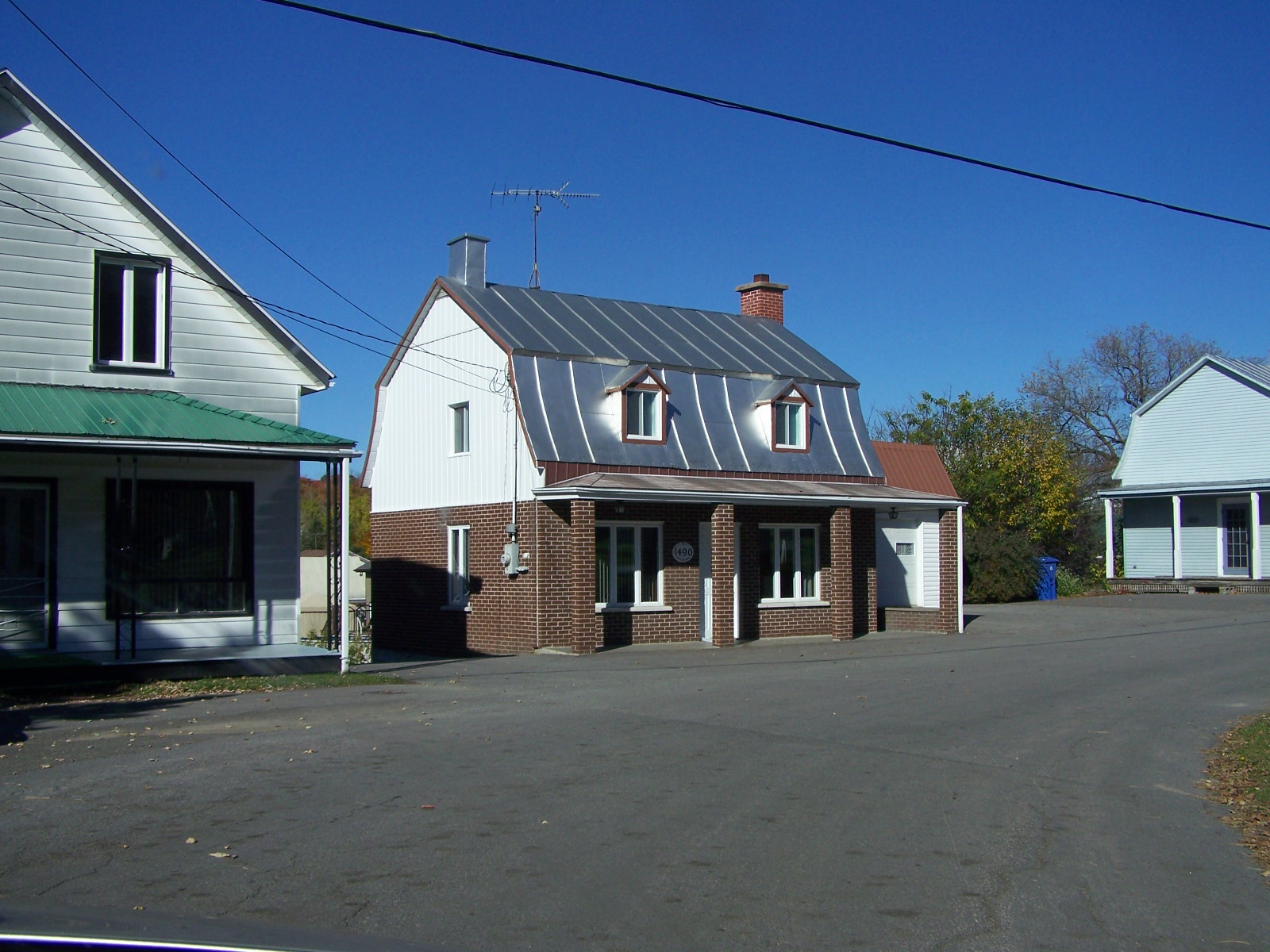
The tiny villages with the church spires are more picturesque than I can describe.  Always, with such tidy houses, and as we went on   a tour of garage sales, it was a chance to get close to their very very neat homes, some sitting right on the edge of the pavement. Sharon speaks French so that was just as well.  I started to recall some of the phrases my sister in law Pauline taught me when I lived in Quebec. I was looking for a book to read on the my return trip, but had no success finding one in English. I am so proud of Sharon, who didn’t even study  French in high school, now reads French books, and has no problem with it. It was an enjoyable day wandering through tiny villages, and colorful countryside.100_2565

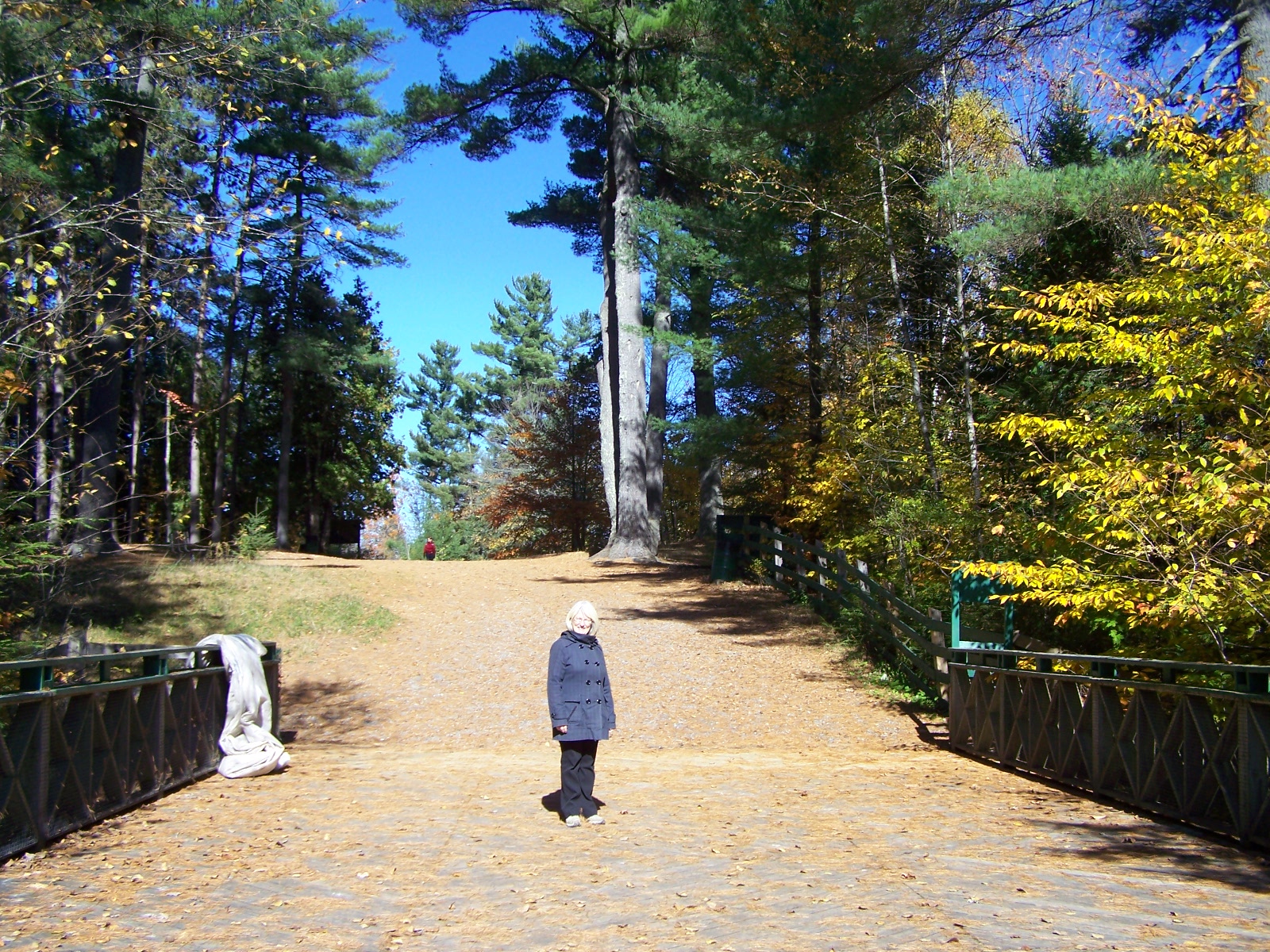
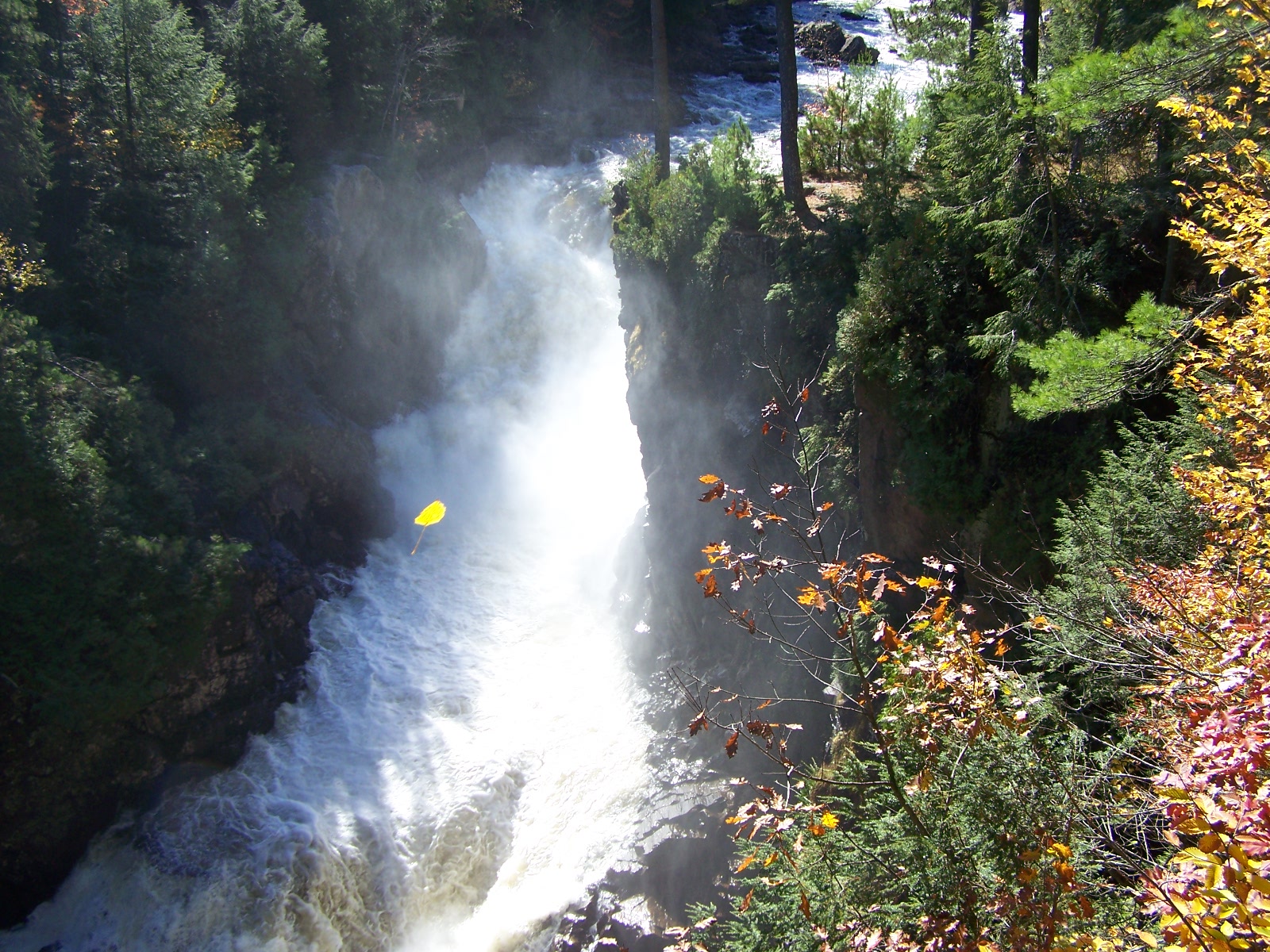
We then drove to Rawdon, to see the falls there. What a treat to see it again after so many years. It is pristine and a pleasure to hike around the area.

Beautiful pines at Rawdon Falls

Rawdon Falls

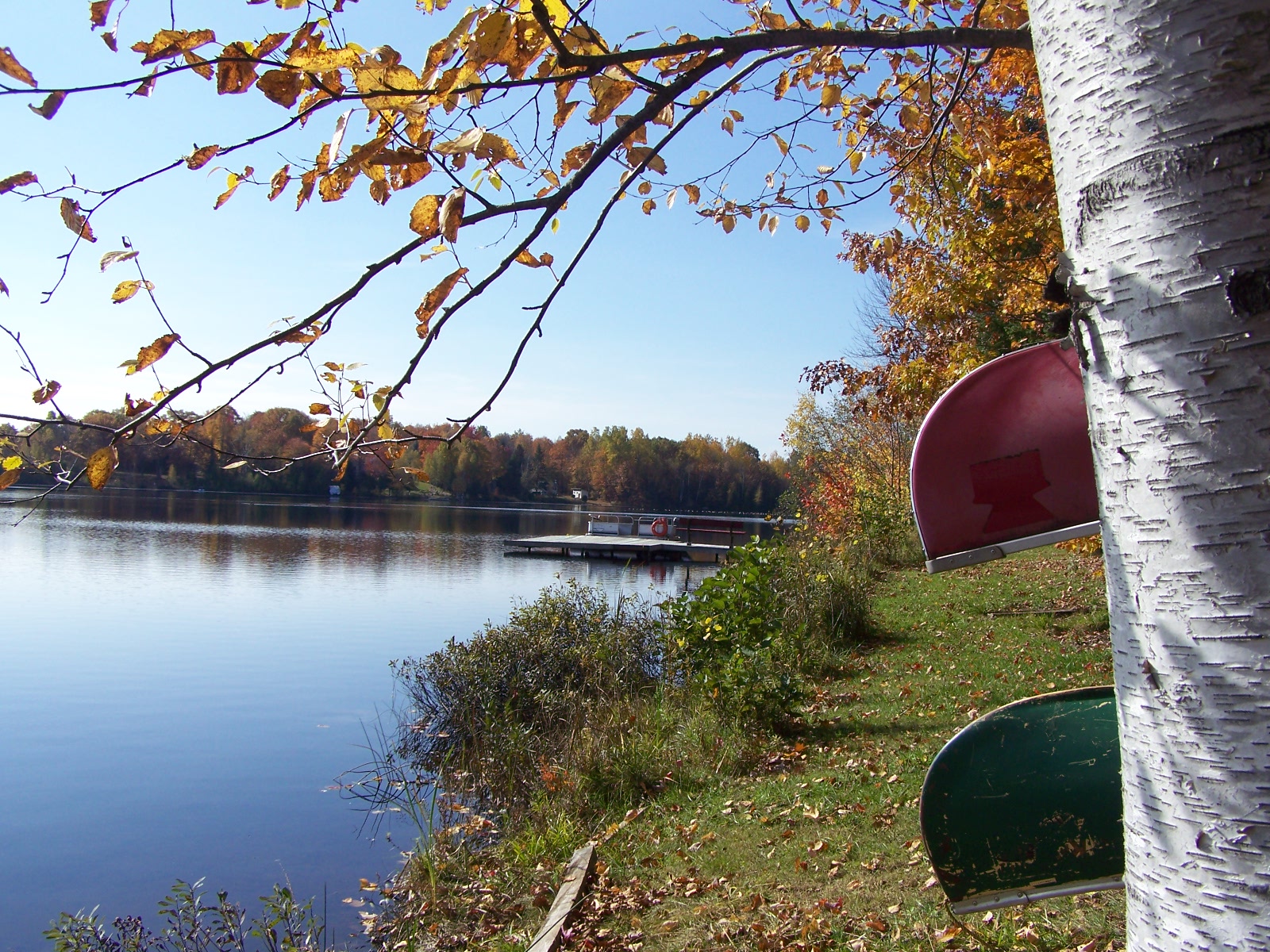
Sharon’s family was coming for  a thanksgiving feast the next day. We walked down to the lake across from their house, where they keep a kayak and a canoe, which Sharon uses frequently. She wondered if I wanted to go out. I declined,  I haven’t picked up the Morrison family’s  absolute comfort around water.

100_2578 She would have jumped into the canoe or kayak  without hesitation.100_2580

The whole weekend, the Canada geese had a convention on this little lake.  I kept my little “french” window open the whole night and I tell you the cacophony and racket  they would make at times just caused me to wonder WHAT ARE THEY DOING?  Do any of you have an idea?  I saw the same thing in Edmonton on a lake where Alex and I used to walk.  A group of them  would  take off and and then land again, and then the loud honking conversation.  My theory, I think it is a training time for the young that were just hatched early this spring. What else could drive them to  such  loud arguing but a bunch of teenagers that won’t take instructions on how to fly in formation, and say,”I am not flying that far away”  Something like that, I know the animal world communicates.

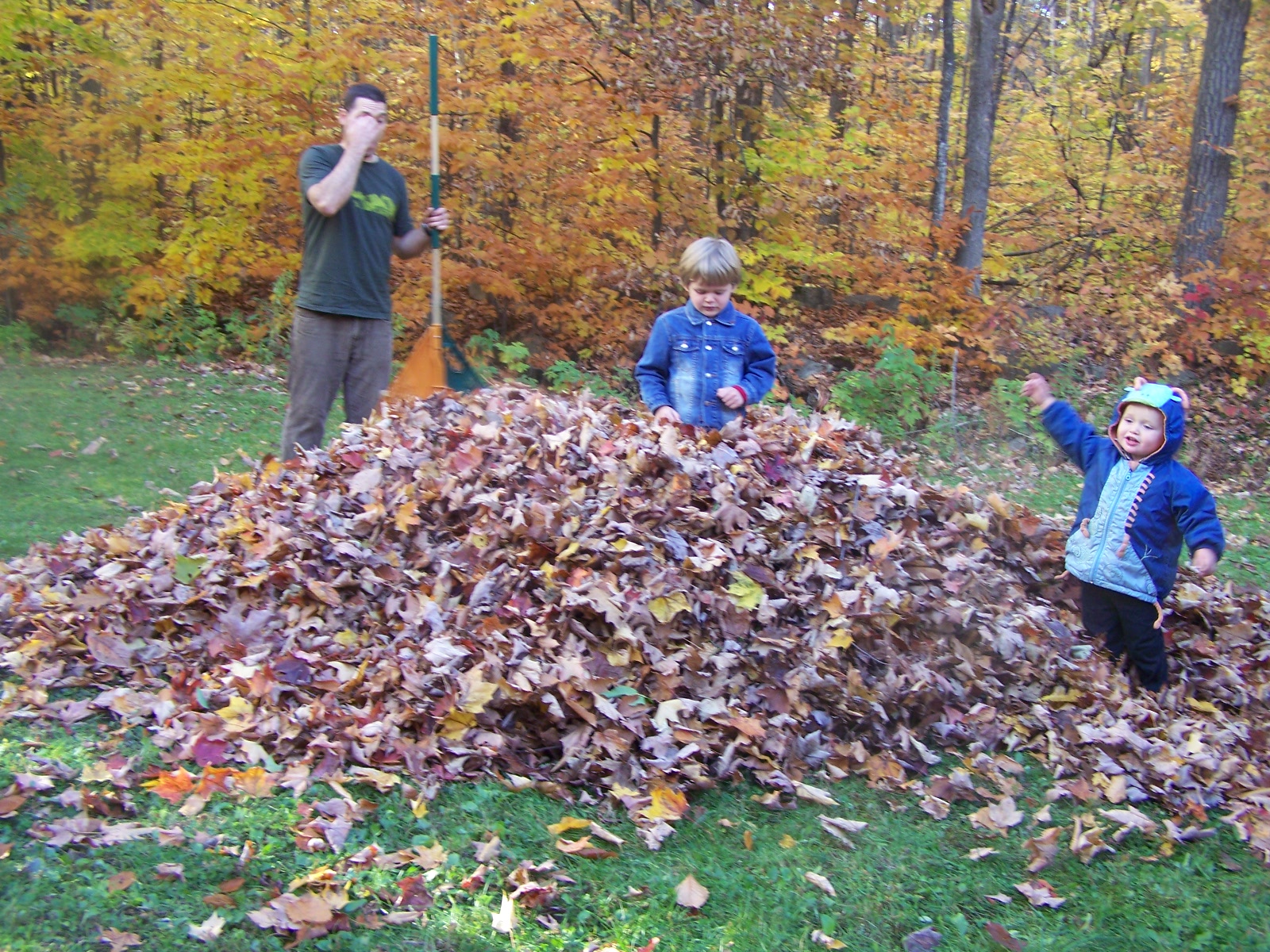
Sharon and Ken’s sons and their partners, a delightful bunch, all came for Monday and got right into leaf raking.

Brian and Joele's boys, Alex and Ben and Uncle Dan.

Brian and Joele’s boys, Alex and Ben and Uncle Dan.

100_2590

Brian, was tied up with getting his combine going, so sadly missed the turkey feast.

Thanks Ken and Sharon for a wonderful weekend.

AN ARCTIC SUMMER PART I 1977

ScannedImage-4
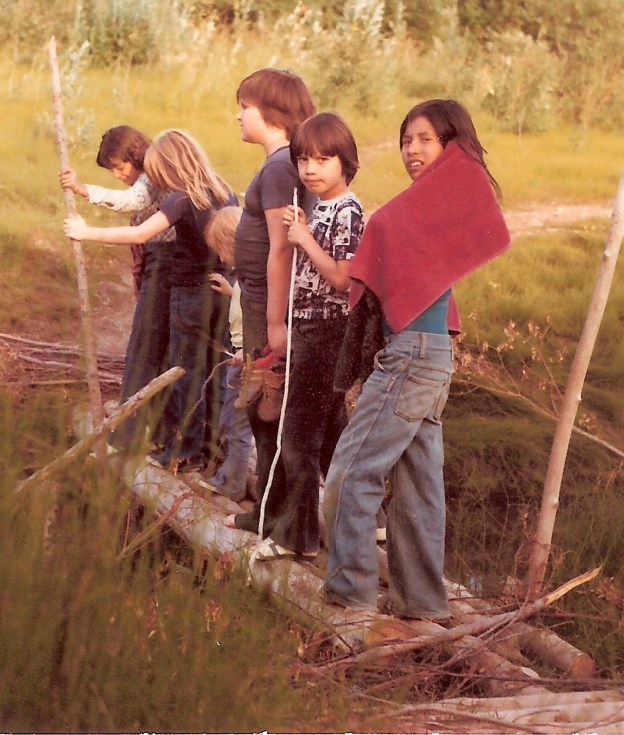
MORRISON KIDS WITH LOCAL CHILDREN

Alex was now contracted by the Government of the Northwest Territories to build on-site fuel storage depots in a number of Arctic communities to take care of their heating, electricity etc. Looking back I am amazed how he and Bob managed to get equipment to hamlets that had no road access. It required getting equipment onto barges the previous summer.

We are all aware of the plight of our First Nations people. I want to include some of our observations, having lived and worked in Yellowknife and an additional 1,000 km north, on the Arctic Islands.

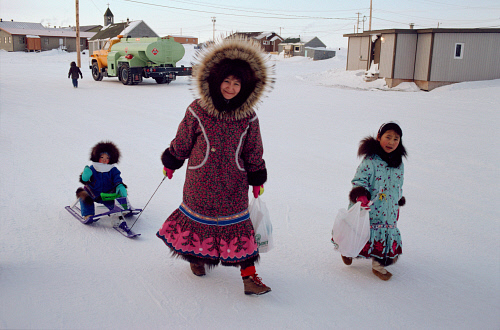
Alex was unusually moved by his experience in HOLMAN on Victoria Island. He arranged to use the RCMP trailer for accommodation for he and probably two others. He was amazed to hear that the police only visited once a month because there really was no crime. He was equally gratified to find that the barrels of fuel he had shipped in the year before, had sat on the beach all winter in view of the town and all the men and their snowmobiles, and not a drop had been stolen. He was also very affected by how happy the children were. This was pre -television days in this hamlet. Here is the unhappy ending to this tale. A year after television arrived courtesy of the Federal Government, the Hudson Bay store was vandalised . Eventually, if my memory serves, all the windows of the northern stores were boarded up in the pursuant years, but cannot speak to the current situation.INUIT WOMEN IN HOLMAN

NORMAN WELLS is an oil town. The Scottish explorer, Alexander MacKenzie http://en.wikipedia.org/wiki/Alexander_Mackenzie_(explorer)saw oil first in 1789 and by 1937 a refinery had been built, and it was a crucial source of fuel during the second world war, supplying the Yukon and Alaska.
Alex, Bob and Ernie our welder from Hay River, flew in there and built a tank in the early summer. When school was over, Jonathan, Michelle, Janine and I flew from Yellowknife to join them, on a fine summer evening. There still is no road access into this town, other than an ice road in the winter.

Once there, we boarded a small chartered plane to fly us to our next destination FT GOOD HOPE, 145 km north, also on the beautiful Mackenzie River. Checking the population, I find there was about 500 people there in 2012, a shrinking population, but I doubt there was even this many, when we were there, 37 years ago. Flying north into the midnight sun, made a long day.

We landed and I remember we were taken to the local School Hostel. It could be called a residential school, but it was empty now, as all the children had gone back to their communities. I was thrilled to be able to cook for family and crew with a very adequate government issue kitchen, with bedrooms for our us all. How did Alex arrange all this? Now as our supplies were unloaded from the plane and taken to the hostel, the local men came out of the surrounding area, to check us out.There was handshaking and introductions. When one man extended his hand to Alex and said his name, Jonas K???, Alex went into amazement mode and said to the poor man,(Jonathan,10 at the time, remembers this well) “How did you get here?” Poor Jonas looked blank and as Alex repeated his question, again, he made a little nod with his head and said he had walked.

More amazement,as Alex’s brain was trying to figure this out, but there are no more planes today. Alex had hired a welder named Jonas C?? over the phone who was supposed to meet us in Norman Wells, to fly in with our charter, but didn’t show. So, now Alex was wondering how he could have possibly got there before us. When Alex told the story he always included, ” just another crazy white man”. The next morning in came the welder Jonas, his own private charter, charged to the crazy white man.
In this small community of Dene and Slavey people, I recall the children coming to our door by age groups, five year olds for Janine, 9 year olds for Michelle and boys for Jonathan. Jon says there wasn’t much communication, they were from different worlds. There were ripe berries in season, I wish I could remember what they were, but the current craze for the children was to clutch a plastic bag with berries and after they were squeezed into a thick juice to enjoy, leaving plenty on their faces.Such a simple pleasure, but what struck me there in that community, was how the children that came by wanted to know my name. They didn’t want to know Mrs Morrison, they needed to know my name!! It was interesting to me. One boy was trying to tell me who he was, and he said , “he used to be my father and now he is my uncle.”
This made sense to him, as a fairly large proportion of babies are raised by their grandmothers. Among the Inuit, it was common for a girl to give her first child to her mother. Also, possibly to a sister who had not had a baby recently and had a very young baby already. It was not considered rejection and the child was fully aware who his birth mother was. “It takes a community to raise a child” right?
I remember we would try to keep regular working hours, and would attempt getting to bed before midnight with  children were playing merrily under our window, in the daylight. Then if I would go to the CO-o, for food the next morning , it would be deserted,everyone still sleeping.
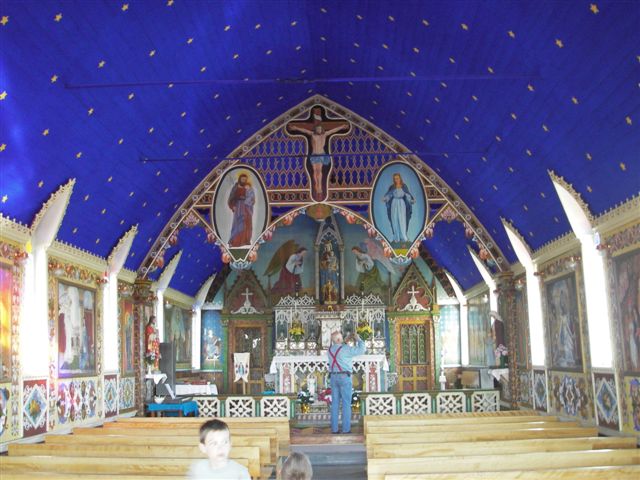
The other remarkable landmark in this pretty little community was the Our Lady of Good Hope church, built in the 1860’s. Missionaries had  arrived from France , I saw the large tombstones in the graveyard there. They were responsible for the log church that looked unremarkable from the outside, but anything but ordinary inside. The interior was painstakingly painted with frescoes over every wall and even the ceiling. I will include a current picture from the web. It appears they have done an upgrade which includes a very dramatic starry ceiling.
I’ll see you soon at our next stop north in FT MCPHERSON

2005-07-06 Church at Fort Good Hope

AN ARCTIC SUMMER PART 2 1977

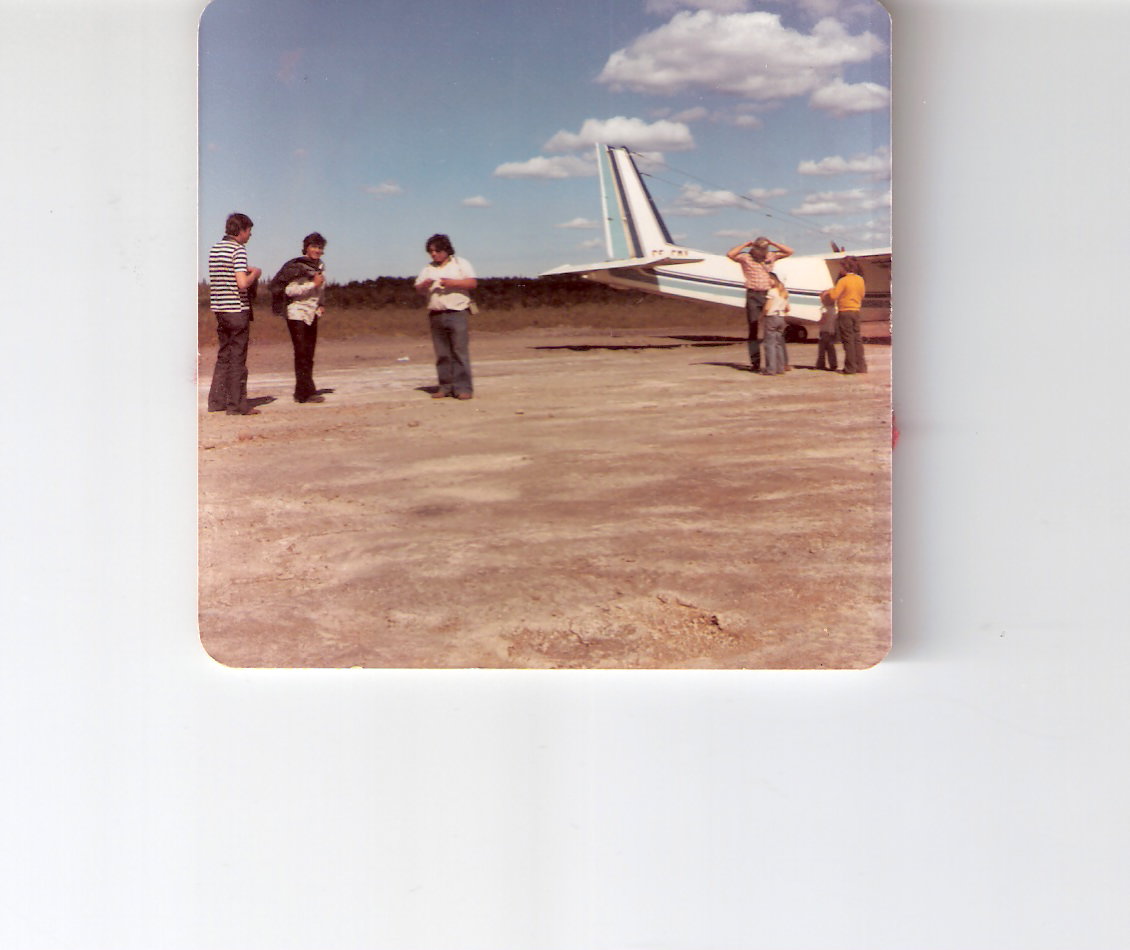
Hello again. We are having a NWT summer to remember, and we were ready to leave Ft. Good Hope to travel up to Ft McPherson, named after another Scotsman explorer from  the mid 1800. Those Scottish explorers were a hardy bunch. This town of around 900 is just 95 miles south of Inuvik, and the Dempster Highway was open at that time from McPherson to Inuvik, but was not connected south of there, so flying is what we did.  There were 8 of us with welders, and our family, plus everyone’s baggage which always made us a little nervous. The northern pilots are known to push the limits. I do remember flying “through” mountains, not over.! Not sure what that meant, but gratefully we arrived safely.

Now, if I recall, Alex and Bob needed to scramble to get to a destination where our Jayco trailer and welding truck had been off loaded from a barge. We were counting on the trailer for our camp kitchen and sleeping accommodation for our family. We got a lift into town, and I recall Ernie, our welder, who was a descendant of another explorer, named Camsell, with an Inuit mother, warned me that we might find some unfriendliness among the locals.  He said the elders nearly “worship ” white people and the youth are sometimes resentful.  Now that Bob and Alex were gone, that left our children and I with the  welders to wander about town.  We went into a “cafe” but discovered it was not suitable to get service for some reason or other.

The urgent need was to find accommodation for the crew, and we were not  having any success.  Sometime during the afternoon, we met up with a man and I told him we were looking for a place to park our trailer and possibly sleeping quarters for the crew.   Just as it should be, it seems,  this gentleman had a log house and a place to park the trailer.!! They were Baptists there on a mission, and guess where they were from,  near Columbiana  Ohio, and he knew my sister’s husband and family. So, when Alex and Bob returned with the truck and trailer, Alex was relieved the sticky situation was no longer an issue. You just couldn’t make that connection by calling from Yellowknife, now could you?

Ernie’s, wife,  Barb  and their  two children came to join us. Their children got along with ours, exploring and amusing themselves with much freedom.

I am so grateful for Barb’s first hand account of her time in a residential school.   She had a more favorable slant  than the media revelations that now dominate  the media regarding  Residential Schools.  Her grandmother came from Mexico, and ran a general store in a small community. For he,r the residential school was a life saver. In her words it prepared her for the white world, and she was completing a Social work degree at the time we spoke in 1978. She was so involved in helping the northern children and women. I have always appreciated knowing her and getting her take on one of the difficult situations the Canadian Government has gotten into.  Also, Wally Firth, the first  First Nations member of Parliament, 1972 was from Ft. McPherson.  Alex sat on a plane with George Erasmus, and many of the people of our generation, who were in leadership, were all products of the residential schools. So fortunately, some good came from them. It is so tragic that so many of those in authority violated those trusting children.  When you understand how the Inuit families lived a nomadic life, hunting and fishing  it seemed good at the time, I am sure,  the children would need to be educated.

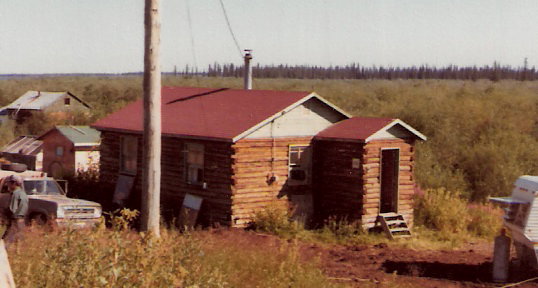
We settled into our little camp, while the men went off to the work site everyday, by the river.   The following pictures show something of our life there. As I recall, though the children were having a good time, I believe the men were struggling with the tank construction, most likely, because Alex had introduced an improvement to his coil un-winder, and was working out the bugs.

The deadline for completion was real. Due to the fact the barge coming up the river with the years fuel supply was coming on the customers schedule, and it was up to us to have the tank ready to accept said fuel.  There were regular phone calls from “the south”, probably Yellowknife or Hay River, trying to get Alex to promise he would be ready. He was trying hard not to promise something he couldn’t do. Huge fines would be levied, for every day he kept the barge waiting, they threatened.   So, August passed, and Jon and Michelle needed to go back to Yellowknife to go to school.  It was decided that Janine and I fly back to Yellowknife with them and then return after the two school children were settled with Alex’s sister Margaret and their two little girls in our house. That meant getting to Inuvik for a commercial flight to Yellowknife. DOES ALEX MAKE THE DEADLINE?? TO BE CONTINUED

Arriving in Ft McPherson

Arriving in Ft McPherson

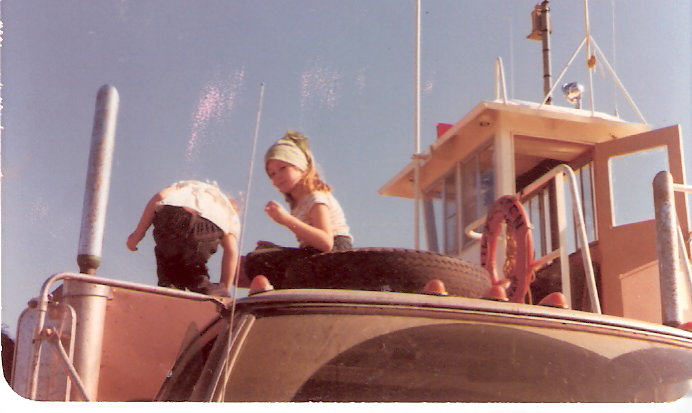
Michelle and Janine, on the Peel River Ferry crossing, travelling to Inuvik.

Michelle and Janine, on the Peel River Ferry crossing, travelling to Inuvik.

100_2362 Image

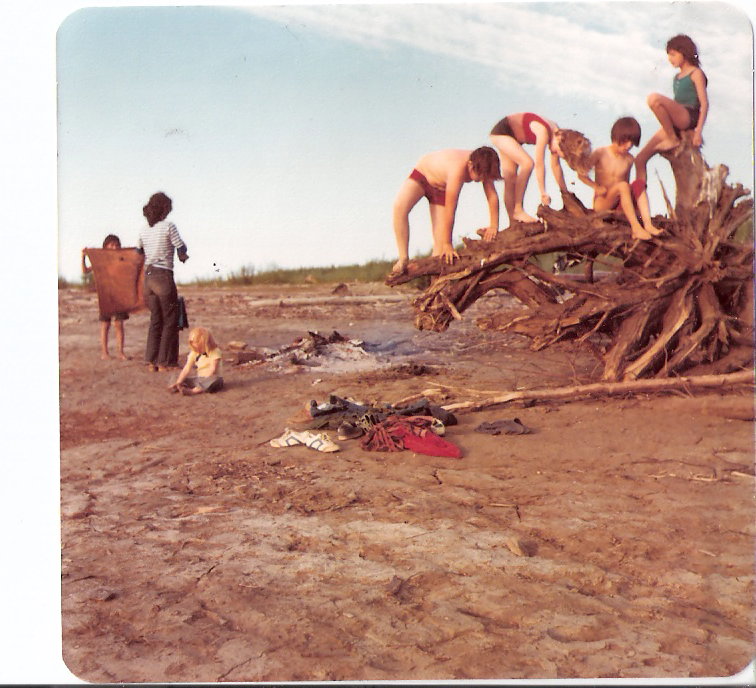
A study in roots, arms and legs, at the Peel River beach.

A STUDY IN ROOTS ARMS AND LEGS AT THE PEEL RIVER BEACH